
A Tree Fell on My Roof: Who Pays?
The general rule for who covers roof damage from a fallen tree, why it's usually not about whose tree it was, and the one exception that changes things.
Commonly, the answer surprises people: your own homeowners policy is usually what pays for the roof damage, whether the tree that fell was yours or your neighbor's. Whose tree it was matters far less than most homeowners expect — coverage generally follows the property that got damaged, not the property the tree grew on. There's one real exception, and it comes down to negligence, not property lines.
This is general insurance education, not legal or insurance advice. Every policy is different, and the details of your specific coverage live in your own declarations page — this is the framework for understanding the conversation, not a substitute for it.
The General Rule: Your Policy Covers Your Roof
Standard homeowners insurance in the United States generally treats damage from a fallen tree the same way it treats wind or hail damage to your own structure — it's a covered peril under your own dwelling coverage, subject to your deductible. That's true whether the tree stood in your yard, your neighbor's yard, or came down from a stand of trees along a property line nobody's entirely sure of. The Insurance Information Institute's consumer education on standard homeowners coverage frames liability protection around damage you cause to others, with your own dwelling coverage handling damage to your own property regardless of the source — which is the mechanism behind why "your policy, your roof" is the practical default.
Does It Matter Whose Tree It Was?
Less than intuition suggests. If a healthy tree from a neighbor's yard comes down in a storm and lands on your roof, your own homeowners policy is typically the one that pays, then you file the claim, meet the adjuster, and move forward — you don't have to first prove the tree was theirs or wait on their insurer to sort it out. The same logic runs the other way if your tree falls on a neighbor's house. It's an unusually low-friction rule for something people expect to be a fight.
The Negligence Exception
This is where whose tree it was starts to matter. If the tree that fell was already dead, visibly diseased, or had been flagged as hazardous — and the owner knew or reasonably should have known and did nothing — that changes the liability picture. A homeowner in that position can potentially be held responsible for a neighbor's damage beyond what a standard claim would cover, and insurers sometimes pursue reimbursement from each other once fault is established. Proving that generally takes documentation: prior complaints, photos of visible decay, an arborist's assessment, or a prior notice to remove the tree that went unanswered. A tree that looked healthy and came down anyway in a genuine storm doesn't carry the same exposure.
What About the Tree Removal Itself?
Roof repair and tree removal are often handled as two separate line items on a claim, and coverage for the removal piece varies more by carrier than the roof-damage piece does. Some policies include a set allowance for removing a fallen tree when it's caused by a covered event; others handle it differently depending on whether the tree is blocking a driveway, resting on the structure, or already off the roof. This is a good, specific question to put directly to your agent rather than assume either way.
What to Actually Do Right After a Tree Falls
Stay off the roof and away from the tree until it's confirmed stable — a limb resting across a roofline can still shift. Photograph the damage from the ground and from inside if water is already coming through, note the date and any storm system involved, and call your insurer to start the claim. If part of the roof is open to the weather, a temporary tarp or emergency protection matters more than the tree removal timeline — stopping water intrusion is the more time-sensitive problem of the two. Our guide on safe temporary fixes while you wait covers what's safe to handle yourself and what genuinely isn't.
Where a Roofing Contractor Fits, and Where We Don't
Once the tree is clear, our job is straightforward: assess the roof, document what's damaged with photos, and meet your adjuster to walk through the findings if you'd like us there. We're a licensed roofing contractor, not a public adjuster and not your insurer — we don't negotiate your claim or promise a particular outcome, and Alabama law is specifically structured so that decision stays between you and your carrier. If the damage turns out to be limited to a section of roof, that's often a repair; if the tree opened up a larger area or the roof was already aging, it may be a case for full replacement instead. Our roof insurance claims guide walks through the whole process from first call to final check, and wind and hail claims covers how storm-driven damage specifically gets evaluated on this coast.
The Honest Bottom Line
A fallen tree is stressful, but the insurance mechanics behind it are usually simpler than people brace for: your policy covers your roof, absent a provable negligence exception on the other side. Get the roof documented, get water stopped if it's coming in, and let the claim process run its normal course — the property-line question that seems urgent in the moment rarely ends up being the one that decides who pays.
Related on our site
Common questions
Questions we get about this
Does my homeowners insurance cover a tree that falls on my roof?
Commonly, yes. Standard homeowners policies generally cover damage to your own home from a fallen tree regardless of whose property the tree grew on, subject to your deductible and policy terms. Confirm the specifics with your own carrier or agent, since policy language varies.
What if it was my neighbor's tree that fell on my roof?
The general rule from insurance-industry education is that your own policy still covers the damage to your roof, because coverage typically follows the property that was damaged rather than the property the tree came from. The exception is if you can show your neighbor knew the tree was dead, diseased, or hazardous and failed to address it — that can shift liability, but it usually requires documentation and sometimes a dispute between carriers.
Am I responsible if my tree falls on my neighbor's roof?
Under the same general rule, your neighbor's own policy typically covers their damage first. If the tree was visibly dead, diseased, or you had been warned about it and did nothing, your neighbor's insurer may seek reimbursement from you or your policy. A healthy tree that comes down in a storm is usually treated differently than one that was already a known hazard.
Who pays to remove the tree itself, not just the roof damage?
This varies more than the roof-damage question does. Many policies include a limited allowance for debris removal when a covered peril causes the tree to fall, but the amount and conditions differ by carrier and policy form. It's worth asking your agent directly rather than assuming either way.
Sources
Every non-obvious claim above traces to one of these.
Keep reading
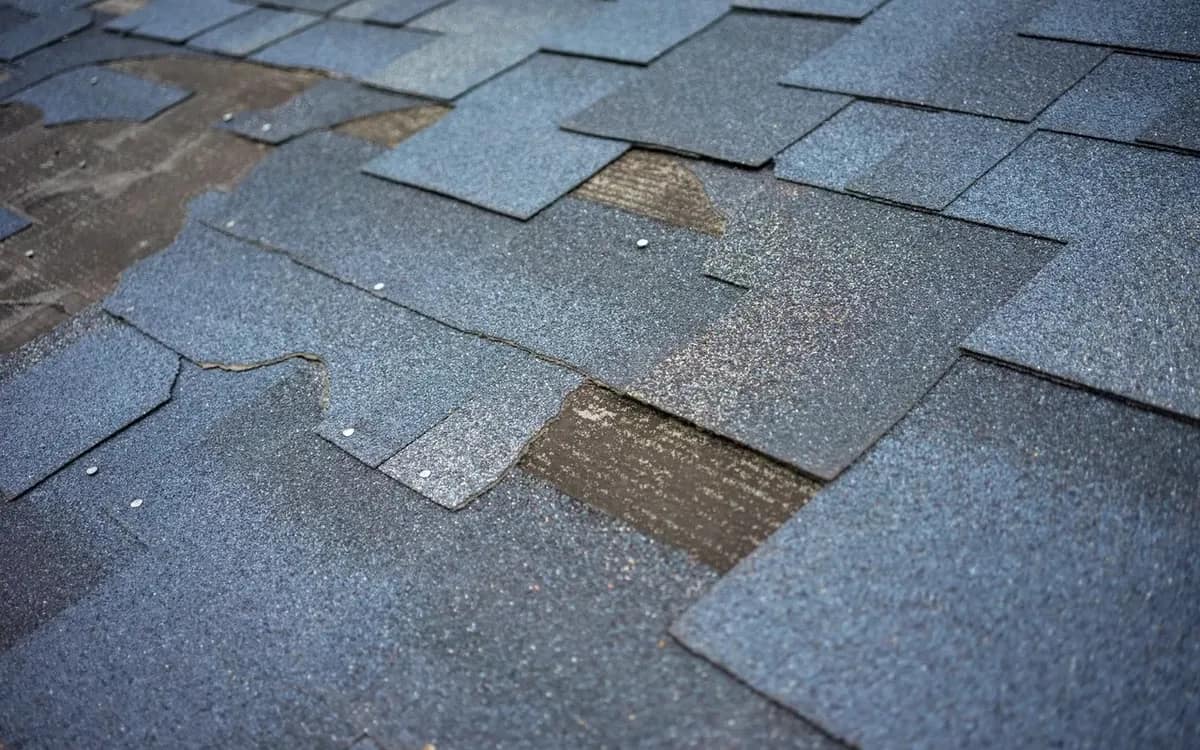 Insurance Claims
Filing a Roof Insurance Claim After a Gulf Coast Storm
What actually happens between a storm hitting your roof and a check clearing — the order of operations, the paperwork, and the honest timeline.
 Insurance Claims
Assignment of Benefits: What You're Actually Signing
An AOB hands your insurance rights to a contractor. Here's what that document does, what Alabama law says about roofers and claims, and how to back out.
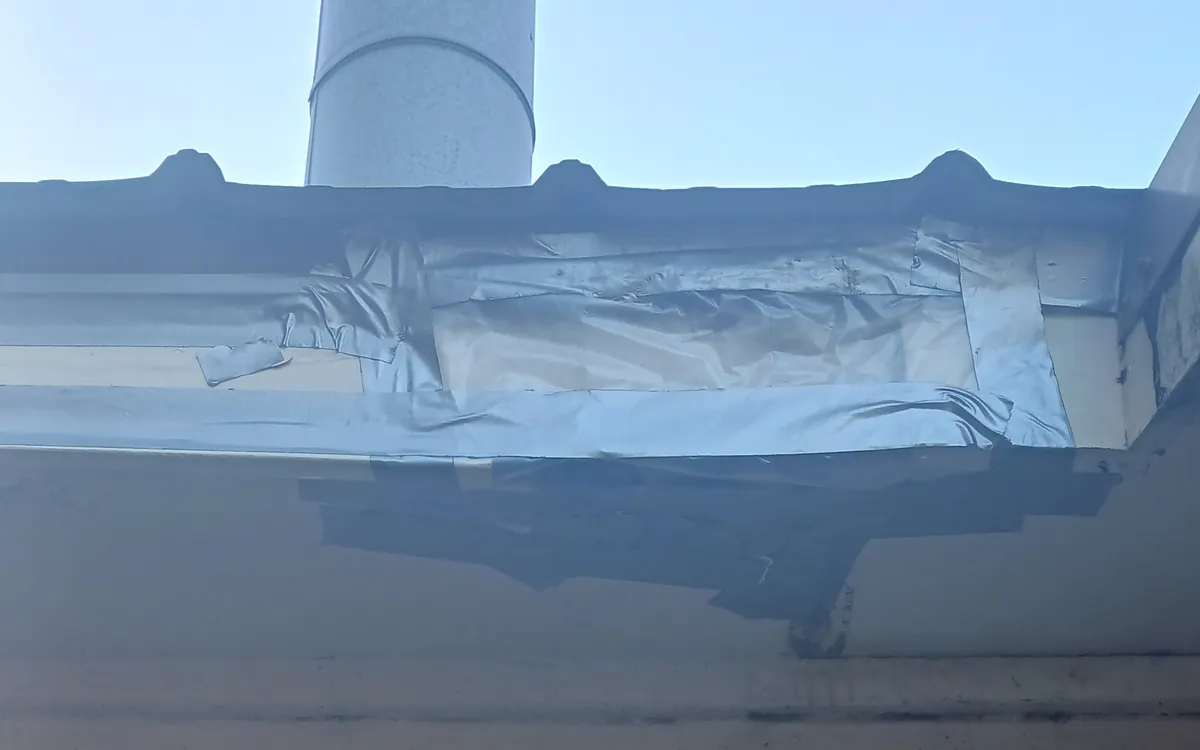 Storm Preparedness
Safe Temporary Fixes Before the Roofer Arrives
What you can safely do inside the house while you wait on a roofer, and what to leave alone until someone with a harness gets there.
Free inspection · no obligation
Want someone to actually look at your roof?
Free inspection anywhere in Baldwin or Mobile County. We climb it, photograph it, and tell you plainly what we found — then put it in writing.
Licensed Alabama roofing contractor #7430. Free estimates across Baldwin and Mobile County.
Loading the quote form…