
Filing a Roof Insurance Claim After a Gulf Coast Storm
What actually happens between a storm hitting your roof and a check clearing — the order of operations, the paperwork, and the honest timeline.
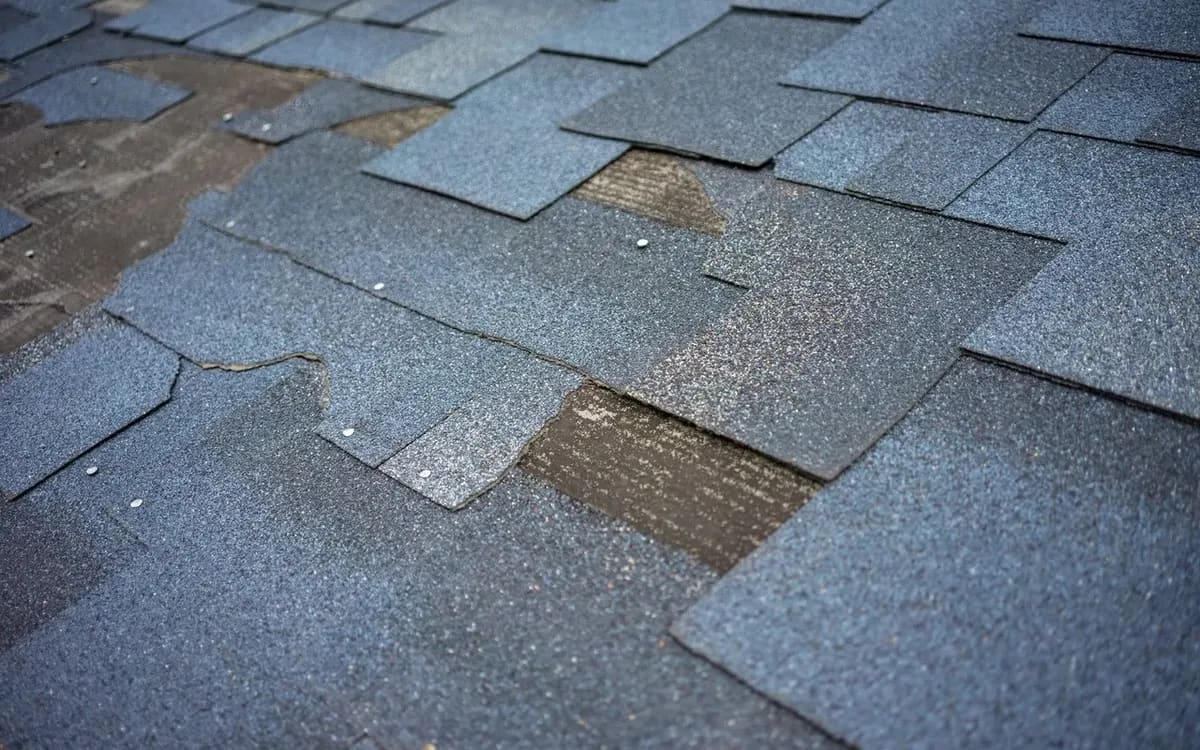
Filing a roof claim after a Gulf Coast storm follows the same order every time: document the damage before anyone touches the roof, get a written inspection, file with your insurer, and let the adjuster's visit and your roofer's documentation reconcile into a scope of work. Skip the documentation step and every step after it gets harder to prove.
Why Gulf Coast claims are their own category
This isn't a coast that files a claim once a decade. NOAA's severe-weather record shows hundreds of hail and damaging-wind reports across Baldwin and Mobile County since 2000, and the hurricane record adds Sally in 2020, passing within 18 miles of Mobile Bay as a Category 2 at closest approach. When a storm like that moves through, thousands of roofs get inspected and thousands of claims get filed inside the same few weeks — which is exactly why documentation quality matters more here than in a market where claims trickle in one at a time.
The process below is the same whether the roof is in Fairhope or anywhere else in Baldwin County — carriers differ, the sequence doesn't.
Step one: document before you touch anything
From the ground, photograph missing or lifted shingles, granules pooled in the gutters, dented vents or flashing, and any new ceiling stains inside the house. Wide shots and close shots, dated. This is the evidence an adjuster and a supplement request both lean on later, and it's the one step a homeowner controls completely before any contractor is even on site.
Step two: get a written roof inspection
Wind and hail damage is frequently invisible from the ground — bruised shingle mat, a lifted seal that hasn't let go yet, a soft spot under an intact-looking surface. A written inspection turns "it looks fine" into a documented scope: what's damaged, what caused it, and what it will take to fix. That document is what you hand your insurer, and it's what your roofer references if the adjuster's number comes in short.
Step three: file the claim and know what the law does and doesn't allow
Filing itself is a call or a portal submission to your carrier, with your documentation and inspection attached. What matters more is what happens next: under Alabama law, a residential roofing contractor cannot negotiate your claim on your behalf. That conversation is yours to have with your insurer, and any contractor who offers to "handle it" for you is offering something the law doesn't let them do.
What if the adjuster's estimate is short?
It happens, and it isn't automatically a dispute — sometimes it's a missed section of roof, a material substitution, or a line item priced below what the actual repair requires. A documented gap between your roofer's inspection and the adjuster's scope is the basis for a supplement request, filed with the specific difference in writing. That's a normal part of the process, not a confrontation.
What documentation actually needs to show
An adjuster and a supplement reviewer are both looking for the same thing: a clear, dated link between the storm and the damage. That means photos that show the whole roof plane, not just the damaged spot, so the extent is obvious. It means keeping any debris that came off the roof — a shingle, a piece of flashing — until the claim is closed, in case it's asked for. And it means writing down the date of the storm itself alongside the date you noticed the damage, because insurers cross-reference storm dates against regional weather data when they review a claim.
None of this needs to be elaborate. A homeowner with a phone and ten minutes on the day of the storm usually has everything a claim actually needs — the mistake is waiting a week, after rain has washed granules out of the gutters and the "before" state is gone.
When the damage came with a storm already in progress
If the roof is actively letting water in while you're trying to sort out documentation, that's a different track entirely — see what to do when the roof is open right now and get the immediate risk handled first. Photographs and claims can follow once the water is stopped.
Keeping your own file, separate from the insurer's
It's worth keeping a copy of everything yourself — photos, the written inspection, the claim number, every call date and who you spoke with — rather than relying entirely on the insurer's file. Claims occasionally get reassigned to a different adjuster partway through, and a homeowner with their own organized record doesn't lose momentum when that happens. It's a small habit that pays off disproportionately if a claim runs longer than expected.
The honest bottom line
A Gulf Coast roof claim isn't complicated in principle — document, inspect, file, reconcile — but it moves at the speed of your paperwork, especially in the weeks after a named storm when every insurer in two counties is working through the same backlog. Liberty documents what it inspects and doesn't promise outcomes it doesn't control, but a clean file from day one is the single biggest thing in a homeowner's control.
Storm damage on the roof right now? Get a documented inspection before you file, or read the full local storm and hurricane record that explains why this coast files more claims than most. If you're worried about what happens if a contractor pushes you to sign something fast, read the red flags after a storm before anyone sets foot on your roof.
Related resources
Common questions
Questions we get about this
What's the first thing I should do after a storm damages my roof?
Stay off the roof, photograph what you can see and reach safely from the ground, and note the date and the storm that caused it. Those photos, timestamped before anyone touches the roof, are the backbone of the claim you'll file next.
Do I have to use the contractor my insurance company recommends?
No. Alabama homeowners choose their own contractor. An insurer can suggest a preferred vendor, but the decision belongs to you, and Alabama law specifically bars a roofing contractor from negotiating your claim on your behalf — that conversation stays between you and your insurer.
How long does a roof insurance claim take from storm to repair?
It varies with the size of the storm and how many claims your insurer is processing at once. A single-household claim in a quiet month can move in weeks; a claim filed after a named storm hit two counties at once often takes longer simply because of volume, not because your claim is being handled differently.
What if the adjuster's estimate doesn't match my roofer's inspection?
That gap is common and it's why a written, photographed inspection from your own roofer matters before the adjuster visits. A documented difference in scope — missed damage, wrong material pricing — is the basis for a supplement request, not a dead end.
Sources
Every non-obvious claim above traces to one of these.
Keep reading
 Insurance Claims
Assignment of Benefits: What You're Actually Signing
An AOB hands your insurance rights to a contractor. Here's what that document does, what Alabama law says about roofers and claims, and how to back out.
 Local
LocalWhy So Many Baldwin County Roofs Are Aging Together
A building boom and a run of hurricanes put a lot of Baldwin County roofs on the same clock. Here's the honest, data-backed read on why.
 Storm Preparedness
Should You Replace Your Roof Before Hurricane Season?
Waiting until after a storm to replace a worn roof usually costs more time and more stress, not less. The honest read on Gulf Coast timing.
Free inspection · no obligation
Want someone to actually look at your roof?
Free inspection anywhere in Baldwin or Mobile County. We climb it, photograph it, and tell you plainly what we found — then put it in writing.
Licensed Alabama roofing contractor #7430. Free estimates across Baldwin and Mobile County.
Loading the quote form…