Storm-Chaser Red Flags After a Gulf Coast Hurricane
The warning signs Alabama's own agencies published after Hurricane Sally, in plain language, plus the two checks that take a homeowner about five minutes.
After a named storm crosses the Gulf Coast, the roofing market here changes overnight, and not all of the change is bad. Honest crews do travel to help, and canvassing a damaged neighborhood is not a crime. What changes is the cost of being wrong: you are making a large decision under pressure, in a hurry, about a house you cannot inspect yourself. So the useful move is not to develop a sixth sense for who is trustworthy. It is to run two checks that take about five minutes and do not depend on your judgment of a stranger at all.
Three days after Hurricane Sally came ashore, the Alabama Department of Insurance, the Attorney General's Office, and the Home Builders Licensure Board issued a joint warning to homeowners in Baldwin County, Mobile County, and south Alabama. Everything below is anchored to what those agencies published, not to anecdote.
What does the state actually warn about?
The advisory and its companion release from the Attorney General's Office are short, and the guidance is concrete:
- Ask if they are licensed. Ask to see the card. Under Alabama law, a contractor performing residential roof work directly for a homeowner above the state's cost threshold must be licensed. The exact figure is on the state's advisory and on our contractor-vetting guide.
- Ask for and check references, especially if the builder makes unsolicited contact with you or is from out of town.
- Never make a full payment or substantial down payment up front.
- Ask for proof of insurance, including workers compensation and general liability.
- Make sure quotes and contracts are in writing.
- Verify the license yourself by calling 1-800-304-0853 or visiting the Home Builders Licensure Board.
None of those requires you to judge anyone's character. They are all checks against a record.
The tarp trap
This one deserves its own heading because it catches good people at their worst moment. A tarp goes on a leaking roof in Foley or Bon Secour at nine at night, everyone is grateful, and a contract appears at ten.
The Department of Insurance addresses it directly: a contractor who provides emergency services such as tarping your house cannot then use those services to bind a homeowner into a contract. Alabama's roofing statute backs that up — where the work will be paid from insurance proceeds, a residential roofing contractor may not require payments from you until the five-day cancellation window has run, with a narrow exception for emergency services you acknowledged in writing were necessary to prevent damage.
Getting the water stopped is urgent. Choosing who rebuilds the roof is not. Those are two decisions with two different clocks, and anyone insisting they are one decision is telling you something. We treat them separately too — see emergency roof repair and storm damage roof repair.
The cancellation notice that should be attached
Alabama requires a residential roofing contractor to hand you, before you sign, a boldface statement of your cancellation right and a detachable "NOTICE OF CANCELLATION" form in duplicate. That right kicks in when your insurer notifies you in writing that all or part of the claim is not covered, or that the covered claim will not cover the contract amount — you then have until midnight on the fifth business day to cancel.
A contract with no cancellation form attached is not automatically a scam. It is, however, a document that does not comply with a statute the contractor is supposed to know. We cover the mechanics of that page, and what an assignment of benefits does to your leverage, in what you're actually signing.
Claim promises are the loudest flag
Alabama does not allow a residential roofing contractor to represent or negotiate your insurance claim, or to offer or advertise to do it. So the pitch "we'll handle your claim, we'll get it approved, you just pay your deductible" is describing three things at once that a roofer in this state cannot do.
A roofer can document damage, be on the roof when your adjuster is there, and quote the work. That is the whole scope, and it is a genuinely useful scope — see the adjuster visit and the full roof insurance claims guide for what it looks like done properly.
Deductible offers belong in the same bin. Anyone offering to waive, absorb, discount, or "eat" your deductible is proposing to build the difference into a number your carrier is paying.
Why this coast in particular
The pressure is not imaginary. NOAA's Storm Prediction Center logged 210 damaging-wind reports in Baldwin County and 267 in Mobile County between 2000 and 2025, with a peak recorded gust of 120 mph in Baldwin in 2009. Those are reported events at county resolution, so the real totals are higher. Every one of them sends a wave of roofing demand through Gulf Shores, Fort Morgan, Foley, and up around Mobile Bay through the whole two-county market at the same time. Demand spikes are exactly when verification gets skipped.
Our county-by-county storm record is on the Gulf Coast storm data page if you need a date of loss for a claim.
The two checks worth doing before anything else
- Run the license. Company name or number, on the Home Builders Licensure Board's public search. Read three fields: the record exists, the status is active, the expiration is in the future. Walk-through here: how to check an Alabama roofing license in two minutes.
- Get the scope in writing before any money moves. Itemized, with quantities. If it will not survive being emailed to you, it will not survive being enforced.
Then, and only then, decide who gets on your roof. If you want a written condition report with photographs and no pressure attached, that is what our inspection is, and you can reach us here.
Common questions
Questions we get about this
How do I know if a roofer knocking on my door is a storm chaser?
You cannot tell from the truck or the pitch, so do not try. Take the company name and the license number, close the door, and check the license on the Alabama Home Builders Licensure Board registry before anything else happens. Unsolicited contact is not proof of anything by itself, but Alabama's own post-hurricane guidance flags it as the moment to slow down and check references.
Is a free roof inspection after a storm a scam?
Usually not — free inspections are ordinary in this trade. What matters is what happens when the ladder comes down. An inspection that ends with a written report and no pressure is normal. One that ends with a contract to sign today, or with damage photos you are not allowed to see up close, is the part worth pausing on.
Can a contractor make me sign a contract in exchange for tarping my roof?
No. The Alabama Department of Insurance states it directly in its post-Hurricane Sally advisory: a contractor who provides emergency services such as tarping your house cannot then use those services to bind a homeowner into a contract. Emergency work and a replacement contract are two separate decisions.
What should I never do when hiring after a storm?
Never make a full payment or a substantial down payment up front — that is the Alabama Attorney General's own wording. Do not pay cash, do not pay a personal name that does not match the licensed company, and do not sign anything that has no written scope attached. Get quotes and contracts in writing every time.
Sources
Every non-obvious claim above traces to one of these.
- Alabama Department of Insurance — Beware of unlicensed or unscrupulous contractors in the wake of Hurricane Sally (Sept 17, 2020)aldoi.gov
- Office of the Alabama Attorney General — joint release with ALDOI and the Home Builders Licensure Boardalabamaag.gov
- Ala. Code Section 8-36-2 — residential roofing contract cancellation and payment ruleslaw.justia.com
- Alabama Home Builders Licensure Board — public licensee searchalhobv7prod.glsuite.us
- NOAA Storm Prediction Center severe-weather report database (Baldwin and Mobile County, 2000-2025)spc.noaa.gov
Keep reading
 Choosing a Contractor
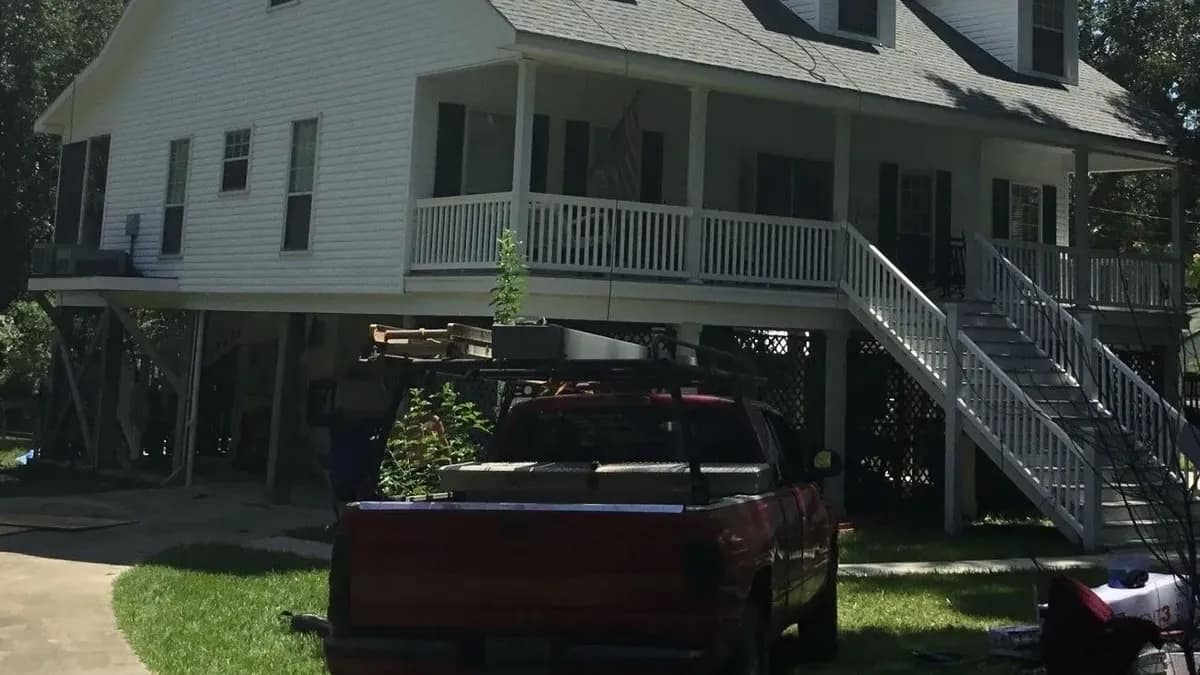
How to Check an Alabama Roofing License in Two Minutes
A license number on a truck door is a graphic. Here's the state registry search, the three fields that matter, and the name mismatch most people miss.
 Maintenance
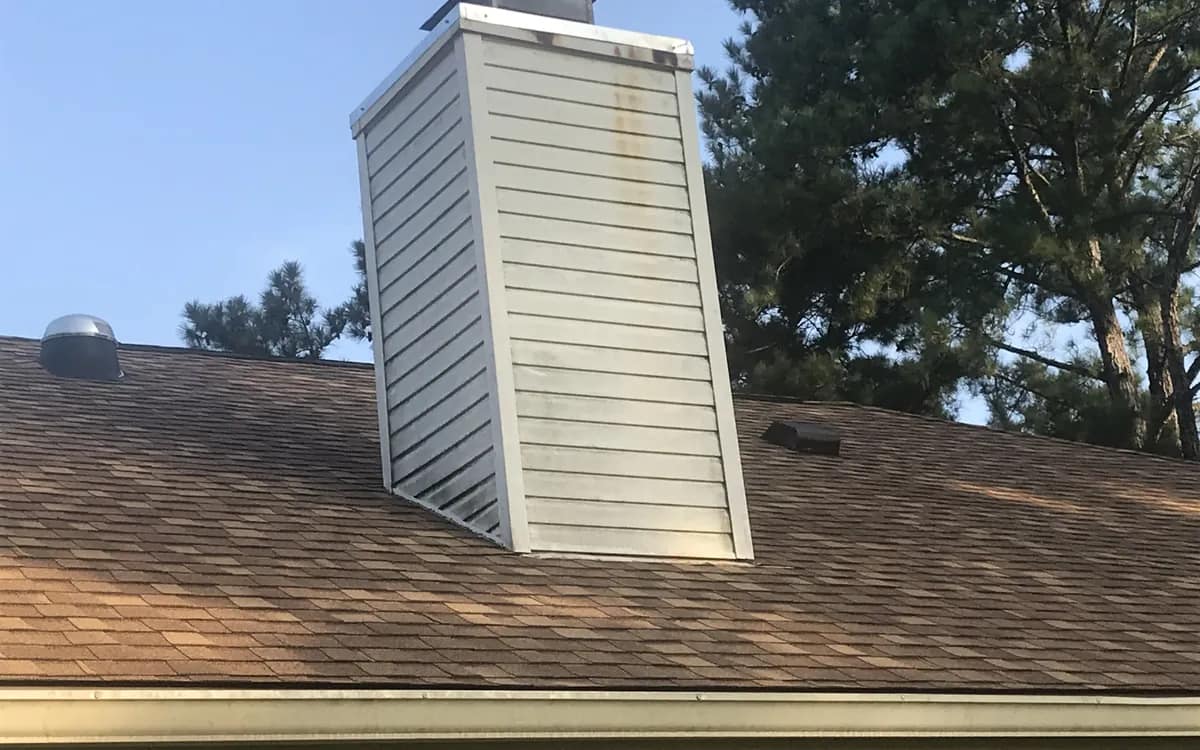
The Gulf Coast Roof Maintenance Calendar
A season-by-season roof maintenance checklist for Baldwin and Mobile County homeowners, built around hurricane season and this coast's real storm record.
 Roofing Materials
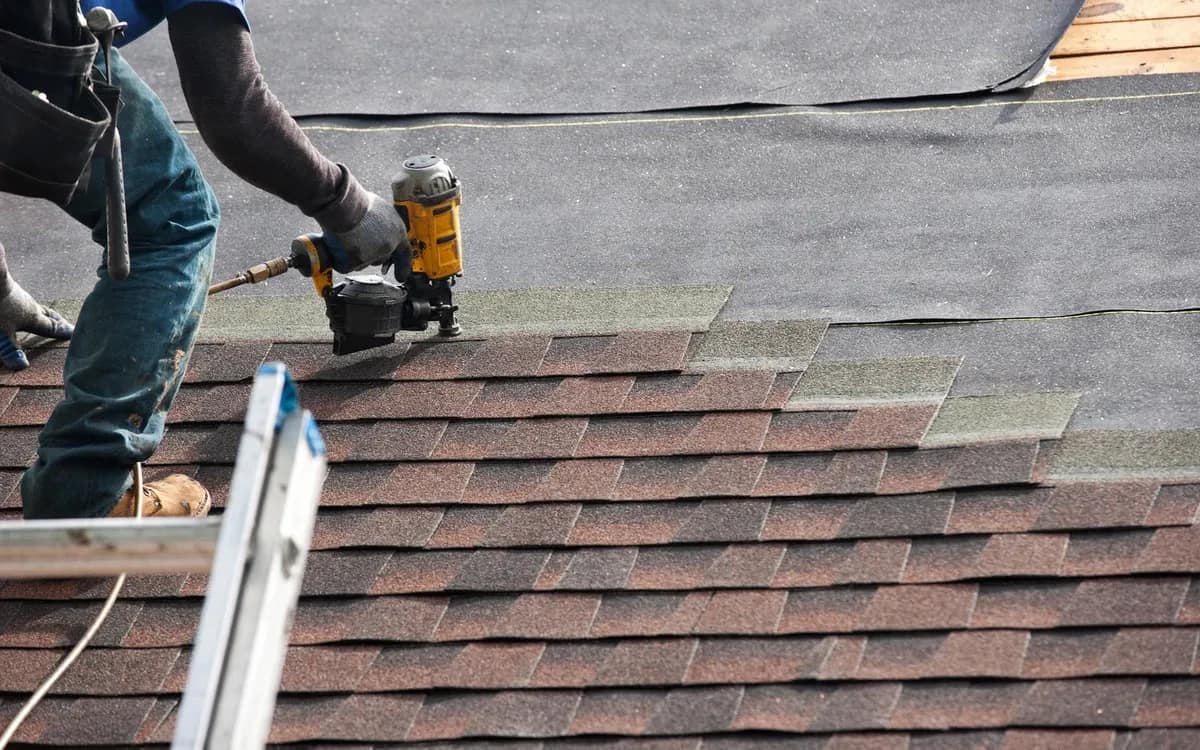
Repair or Replace? How to Decide on Your Roof
A leaking or aging roof doesn't always need a full replacement. Here's the honest framework for deciding between a repair and a replacement on the Gulf Coast.
Free inspection · no obligation
Want someone to actually look at your roof?
Free inspection anywhere in Baldwin or Mobile County. We climb it, photograph it, and tell you plainly what we found — then put it in writing.
Licensed Alabama roofing contractor #7430. Free estimates across Baldwin and Mobile County.
Loading the quote form…