
The Gulf Coast Roof Maintenance Calendar
A season-by-season roof maintenance checklist for Baldwin and Mobile County homeowners, built around hurricane season and this coast's real storm record.
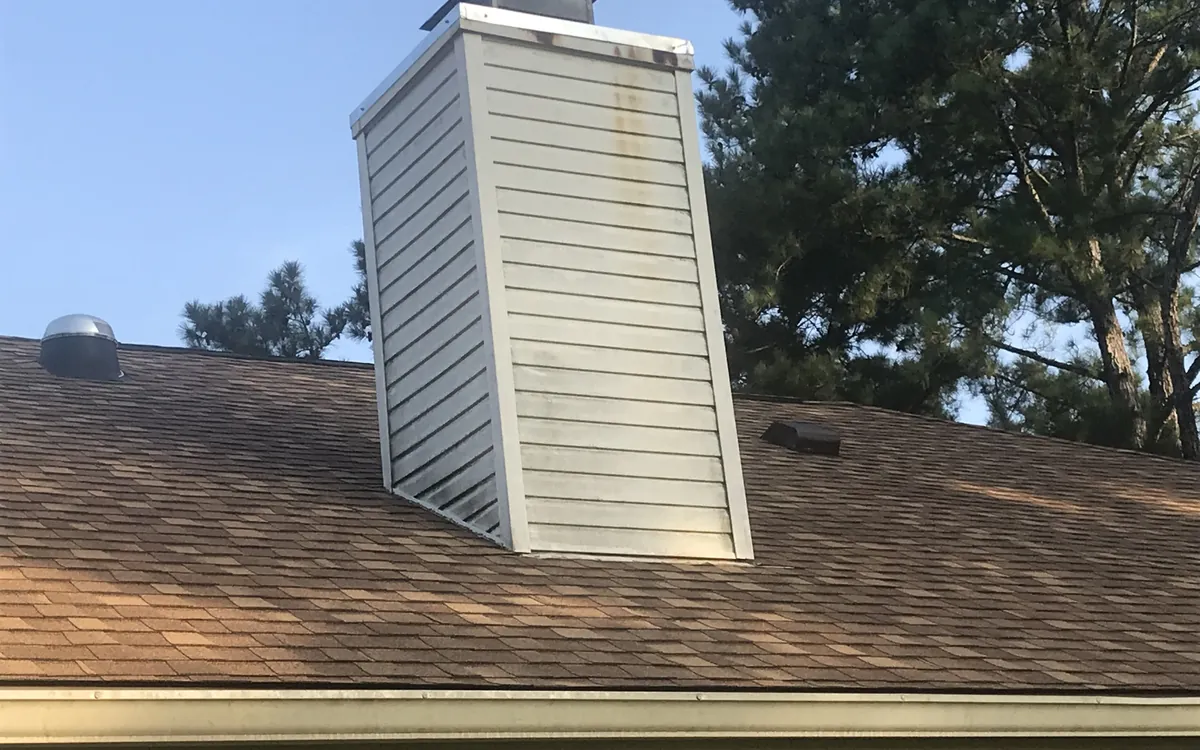
Roof maintenance on the Gulf Coast doesn't run on the same calendar as it does inland. Hurricane season runs from June 1 through the end of November, and that six-month window should drive when you check, clear, and repair — not a generic once-a-year reminder. Here's the season-by-season version, built around this coast's real storm record instead of a national maintenance checklist that ignores it.
Why the Storm Record Should Set Your Calendar, Not Just the Season Dates
Baldwin and Mobile County have both logged a real storm history over the past quarter-century: Baldwin County recorded 67 severe hail reports and 210 damaging-wind reports between 2000 and 2025, per the NOAA Storm Prediction Center's severe-weather database; Mobile County logged 70 severe hail reports and 267 damaging-wind reports over the same window. Those are recorded reports, not a complete census — the database undercounts rural and unwitnessed events — but they're real, and they're why a roof on this coast needs a maintenance rhythm most inland homes don't. Our Gulf Coast storm data page has the full county-by-county record if you want to see how it breaks down further.
Late Spring (Before June 1): The Pre-Season Check
This is the most important inspection window on the calendar. Before hurricane season opens, walk the roofline for anything a full season of wind could turn into a real problem: lifted or missing shingles, flashing that's pulled away at a chimney or vent, cracked or missing pipe boots, and any soft spots visible from a ladder. Trim back overhanging limbs that could become storm debris, and clear gutters and downspouts so they're doing their job before the first heavy rain event. A minor issue caught in May is a quick repair; the same issue found in September after three storm systems have worked on it is a bigger job.
Hurricane Season (June Through November): After Every Named System
Once the season is underway, the maintenance task shifts from prevention to inspection after events. Any named storm that tracks near the coast — whether it makes direct landfall or passes offshore — is worth a post-storm look, even without obvious damage from the ground. Wind-lifted shingles don't always look damaged until they're examined up close, and hail bruising can be invisible from the yard. If you suspect storm damage, our storm and insurance restoration page covers inspection, documentation for a claim, and emergency protection if it's needed right away.
Late Fall (After November 30): The Post-Season Assessment
Once hurricane season closes, it's worth a full assessment even if nothing obvious happened during the season — some damage doesn't show up as an active leak until months later, once water has had time to work through decking or insulation. This is also the point to clear gutters of the season's leaf drop before winter rain arrives, and to confirm attic ventilation is functioning, since trapped humidity does its damage quietly and doesn't take a season off.
Winter: Low-Activity, Not No-Activity
Alabama winters aren't the maintenance-free stretch some homeowners assume. Keep an eye on anything flagged during the fall assessment, watch for algae or moss establishing in shaded, damp areas, and don't assume a quiet season means the roof is in the clear. It's a lighter-touch season, but it's still worth a periodic look.
What a Professional Inspection Catches That a DIY Look Doesn't
A homeowner walking the yard and glancing up at the roofline is a reasonable first check, but it isn't a substitute for someone actually on the roof and, where accessible, in the attic. Hail bruising often looks like nothing more than a dark spot from the ground, but it can compromise a shingle's integrity in ways that only show up as a leak months later. Flashing that's pulled slightly away from a chimney or vent is easy to miss from below. Attic-side moisture staining, an early sign of a slow leak or ventilation problem, isn't visible from outside at all. None of this is a knock on doing your own periodic check — it's a reason to pair it with a professional inspection on the twice-yearly cadence above, rather than relying on either one alone.
Year-Round: The Habits That Matter Regardless of Season
- Trim overhanging limbs before they become storm debris, not after
- Clear gutters and valleys on a regular schedule, more often under heavy tree cover
- Watch for granule buildup in gutters, a sign of accelerating shingle wear — our roof lifespan guide covers what that and other aging signs actually mean
- Address small repairs promptly rather than letting them wait for the next full inspection — see our repair vs. replace guide for how to tell which one you're looking at
- Schedule a professional inspection at least twice a year, timed to the pre- and post-hurricane-season windows above
So What Should You Actually Do This Season?
This coast's roofs work harder than roofs almost anywhere else in the country, and a maintenance calendar built for a mild inland climate doesn't account for that. Build yours around hurricane season instead: a real check before June 1, an inspection after any named system that comes close, and a full post-season assessment once November closes out. If it's been longer than six months since anyone's actually been on your roof, a free inspection is the fastest way to know where you stand before the next season starts the clock over again.
Related on our site
Common questions
Questions we get about this
When should I have my roof inspected each year?
Twice a year at minimum on the Gulf Coast — once before hurricane season begins in early summer, and once after it ends in late fall — plus anytime after a significant wind or hail event, regardless of when it falls on the calendar. Storm damage doesn't wait for a convenient inspection window.
What should I check on my roof before hurricane season?
Loose or lifted shingles and flashing, debris and overhanging limbs near the roofline, gutter and downspout function, and any pre-existing minor damage that a full season of wind could turn into a real leak. Catching small issues before June is far cheaper than discovering them mid-storm.
Do I need to do anything to my roof in the winter?
Less than in hurricane season, but it's still worth checking for storm damage that went unnoticed through fall, clearing gutters of leaf debris before winter rain, and confirming attic ventilation is working — trapped humidity doesn't take a season off just because storms have quieted down.
How often should gutters be cleared on a Gulf Coast roof?
At minimum, before hurricane season and again in late fall after leaf drop — more often if your property has heavy tree cover. Clogged gutters back water up under the roof edge, which causes damage that has nothing to do with the roofing material itself.
Sources
Every non-obvious claim above traces to one of these.
Keep reading
 Roofing Materials
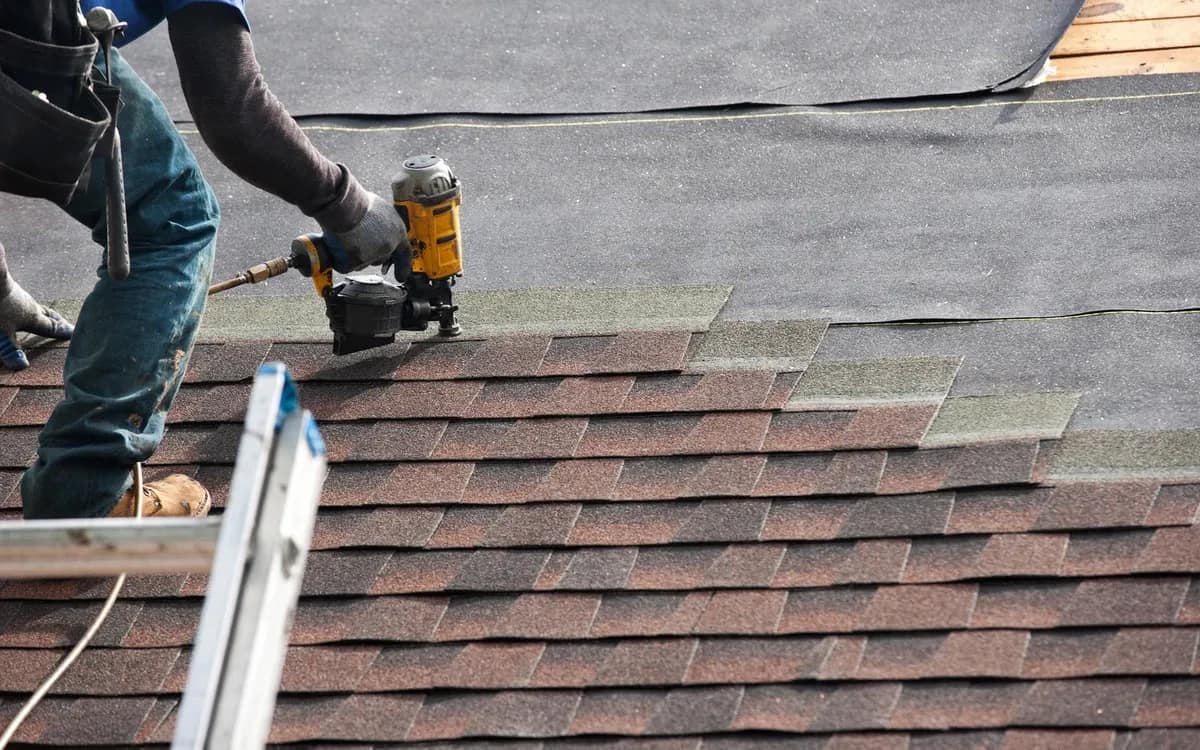
Repair or Replace? How to Decide on Your Roof
A leaking or aging roof doesn't always need a full replacement. Here's the honest framework for deciding between a repair and a replacement on the Gulf Coast.
 Roofing Materials
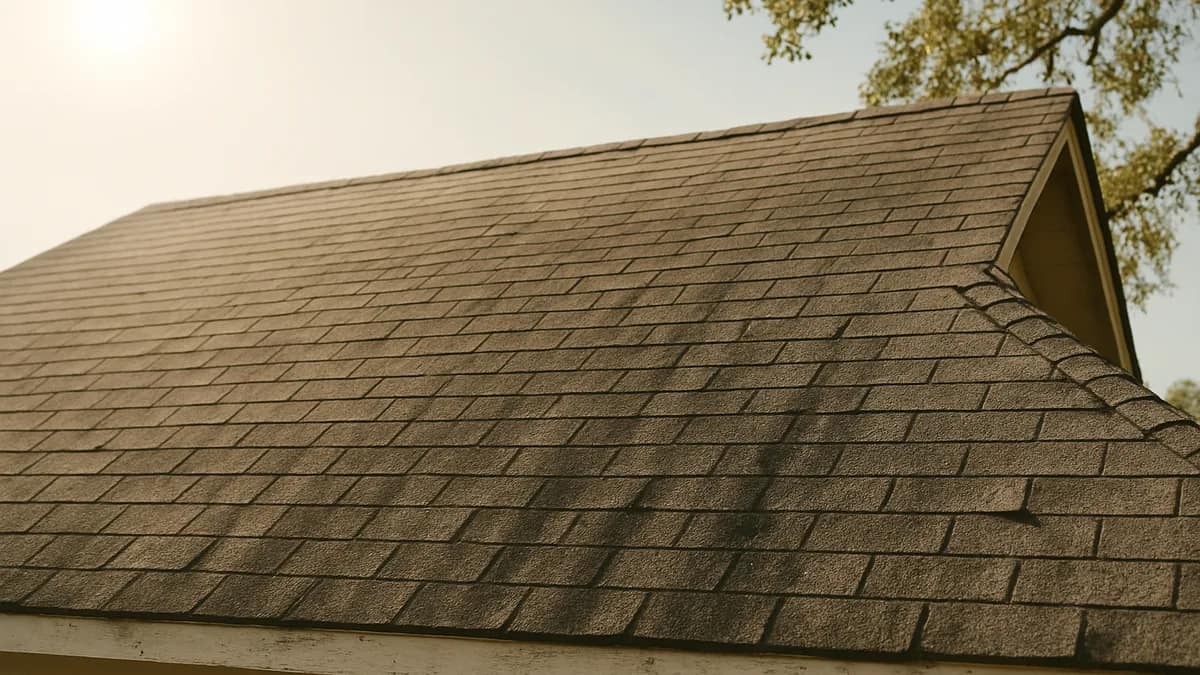
How Long Does a Roof Last in Alabama's Heat?
There's no single number for how long a roof lasts on the Gulf Coast. What actually shortens a roof's life in Alabama's heat, humidity, and storm exposure.
 Maintenance
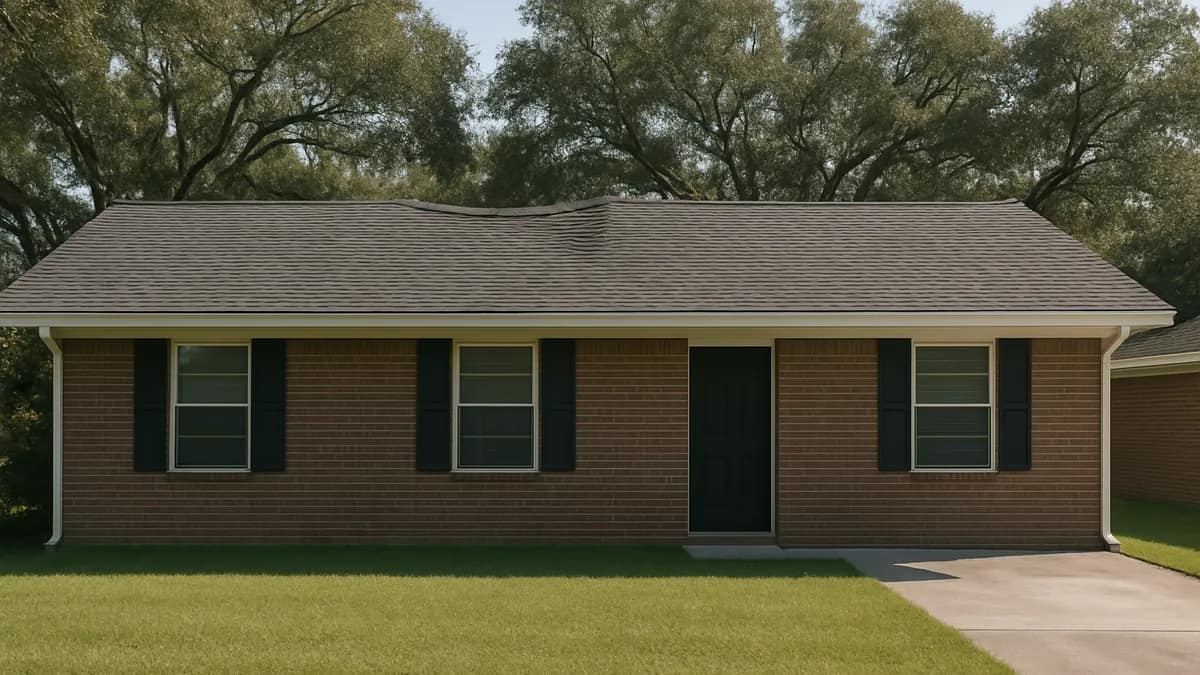
Sagging Roof: Cosmetic Wear or Structural Risk?
How to tell whether a sagging roofline is old, stable wear or an active structural problem — the signs that mean call now, not schedule for later.
Free inspection · no obligation
Want someone to actually look at your roof?
Free inspection anywhere in Baldwin or Mobile County. We climb it, photograph it, and tell you plainly what we found — then put it in writing.
Licensed Alabama roofing contractor #7430. Free estimates across Baldwin and Mobile County.
Loading the quote form…