
How Long Does a Roof Last in Alabama's Heat?
There's no single number for how long a roof lasts on the Gulf Coast. What actually shortens a roof's life in Alabama's heat, humidity, and storm exposure.
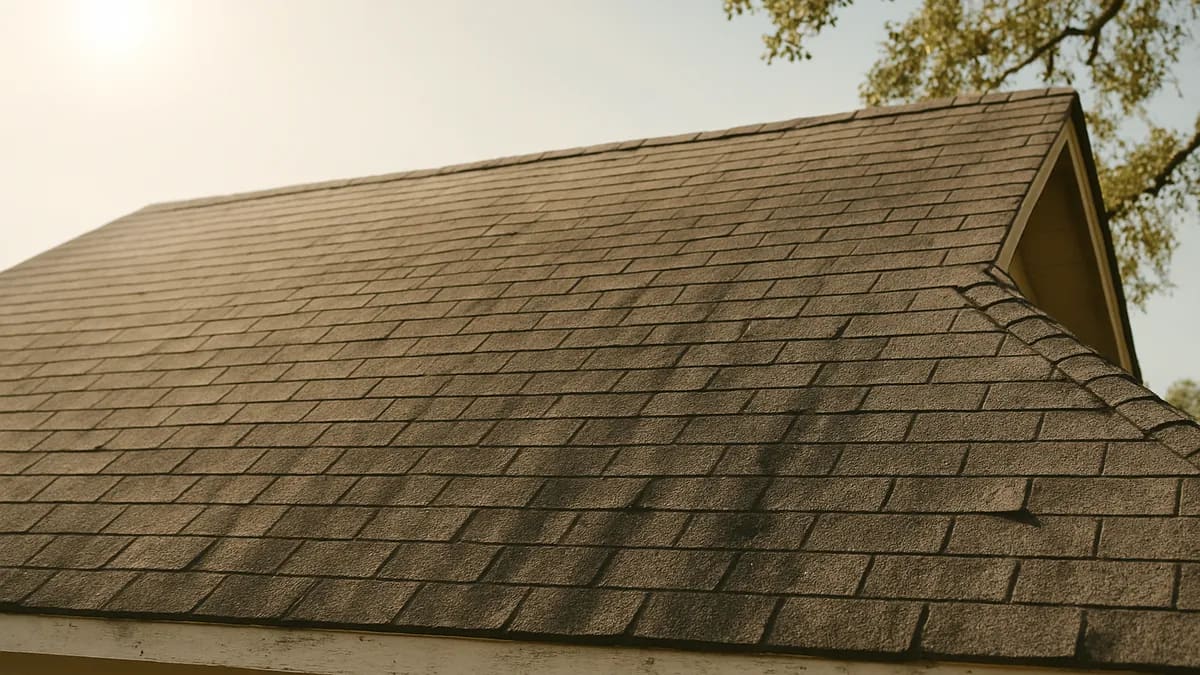
No roof on the Gulf Coast lasts as long as its brochure suggests, and no single number applies to every house. How long a roof actually lasts depends on the material, how well it was installed, how the attic is ventilated, and how much heat, humidity, and storm exposure it has genuinely absorbed — not just the year it went on. Here's what actually drives roof lifespan in Alabama, and why the honest answer is always "it depends," never a fixed number.
Why a National Average Doesn't Apply Here
Most lifespan figures you'll find online come from manufacturer literature written for a national market — a roof in a dry inland climate ages differently than one absorbing Gulf Coast humidity, salt-adjacent air, and a real Atlantic hurricane season every year. Asphalt shingle manufacturers commonly frame architectural systems as multi-decade products under favorable conditions, and metal systems are built for long service life by design — but "under favorable conditions" is doing a lot of work in that sentence. This coast doesn't always offer favorable conditions, which is exactly why local exposure matters more than a manufacturer's headline figure.
Heat and UV: The Slow, Invisible Wear
Every roofing material ages under sustained UV exposure and daily thermal cycling — the expansion and contraction that happens every time the surface heats up in direct sun and cools at night. Over years, that cycling stresses seams, fasteners, and the material itself. Alabama's summer heat load makes this a bigger factor here than in cooler climates. It's cumulative and slow, which is part of what makes it easy to underestimate — there's no single hot day that damages a roof, just years of the same stress repeating.
Humidity: The Factor Most Homeowners Never See
Sustained humidity does two things to a roof. On the surface, it feeds algae and moss growth in shaded, north-facing, or tree-covered sections — cosmetic at first, but a sign that moisture is sitting on the material longer than it should. Underneath, if attic ventilation is inadequate, trapped moisture accelerates deck and underlayment breakdown from below, invisible until it becomes a soft spot or a leak. Ventilation is one of the few levers a homeowner actually controls here, and it's frequently the difference between a roof that ages evenly and one that fails early from the inside out.
Storm Exposure: Why Roof Age Isn't the Same as Roof Condition
Two roofs installed the same year can be in completely different condition if one has absorbed more hail and wind cycling than the other. Hail bruising, wind-lifted tabs that reseal imperfectly, and repeated flexing during high-wind events all shorten effective lifespan independent of calendar age. If your roof has been through a named storm, our storm and insurance restoration page covers what a post-storm assessment actually looks for beyond the obvious missing shingles.
Attic Ventilation: The Detail That Quietly Decides a Lot of This
Ventilation gets mentioned above as a factor, but it's worth walking through why it matters this much. A roof deck sits between two environments — direct sun and heat on top, and whatever air is (or isn't) moving through the attic underneath. Without adequate intake and exhaust ventilation, hot, moist attic air has nowhere to go, and it sits against the underside of the decking and underlayment for months at a time. That's a slower version of the same problem a leak causes: sustained moisture against material that isn't built to handle constant exposure. Balanced ventilation — enough intake at the eaves and exhaust at or near the ridge — lets that heat and humidity actually move instead of accumulating, and it's one of the few structural factors that affects both energy cost and roof longevity at the same time. It's also one of the more overlooked items on a roofing quote, and worth asking about directly if you're comparing bids.
Material Choice Still Matters — Just Not the Way Charts Suggest
Different systems age differently under the same conditions. Metal roofing generally resists granule loss and UV surface degradation better than asphalt because it doesn't have a granule surface to lose, and standing-seam systems avoid the exposed-fastener wear point entirely. For the full comparison, including where each material's weak points actually are on this coast, see our metal vs. shingle roofing breakdown. Whichever material is already on your roof, the maintenance habits below matter more to its remaining life than which category it falls into.
What Actually Extends a Roof's Life on This Coast
- Adequate attic ventilation, checked, not assumed
- Prompt attention to lifted tabs, exposed fasteners, or granule loss rather than waiting for a leak
- Gutter and valley clearing so water sheds instead of sitting
- Post-storm inspection after any significant wind or hail event, even without visible damage
- Periodic professional inspection on a regular cadence, not just when something looks wrong
None of these buy a roof unlimited life, but together they're the difference between a roof that ages predictably and one that fails early from a problem nobody caught. For our full season-by-season version of this list, see the Gulf Coast roof maintenance calendar.
So How Do You Know Where Your Roof Actually Stands?
Calendar age is a starting point, not an answer. A roof installed eight years ago with poor ventilation can be in worse condition than one installed fifteen years ago that's been properly maintained and ventilated. The only way to know for certain is a real inspection — someone on the roof and in the attic, not a guess from the street. If it's been a while since yours was checked, a free roof inspection is the honest starting point, whatever the calendar says.
Related on our site
Common questions
Questions we get about this
How long does a roof last in Alabama?
It depends on the material, the installation quality, attic ventilation, and how much wind and hail exposure the roof has actually seen — not just its age. Asphalt shingle manufacturers generally frame architectural systems as multi-decade products under ideal conditions, but coastal heat, humidity, and storm cycling can shorten that in the real world. An inspection, not a birth-year calculation, is the honest way to know where your specific roof stands.
Does humidity shorten a roof's life?
Indirectly, yes — sustained humidity promotes algae and moss growth in shaded areas, and moisture trapped in a poorly ventilated attic accelerates deck and underlayment breakdown from underneath, which you can't see from the ground. Good attic ventilation is one of the more overlooked levers homeowners have over how long a roof actually lasts.
Does heat damage a roof over time?
UV exposure and thermal cycling — the daily expand-and-contract as temperatures swing — are two of the main aging mechanisms for any roofing material, and Alabama gets a heavy dose of both. It's a slow, cumulative wear pattern rather than sudden damage, which is exactly why it's easy to miss until a roof is already failing.
How do I know if my roof is nearing the end of its life?
Granule loss showing up as dark streaking or gutter debris, curling or cupping shingles, soft spots on the deck, and daylight visible at the ridge or valleys are the visible signs. Many of those aren't obvious from the ground, which is why a periodic professional inspection catches problems well before a leak forces the issue.
Sources
Every non-obvious claim above traces to one of these.
- Asphalt Roofing Manufacturers Association (ARMA)asphaltroofing.org
- National Weather Service — Mobile/Pensacola climate normalsweather.gov
Keep reading
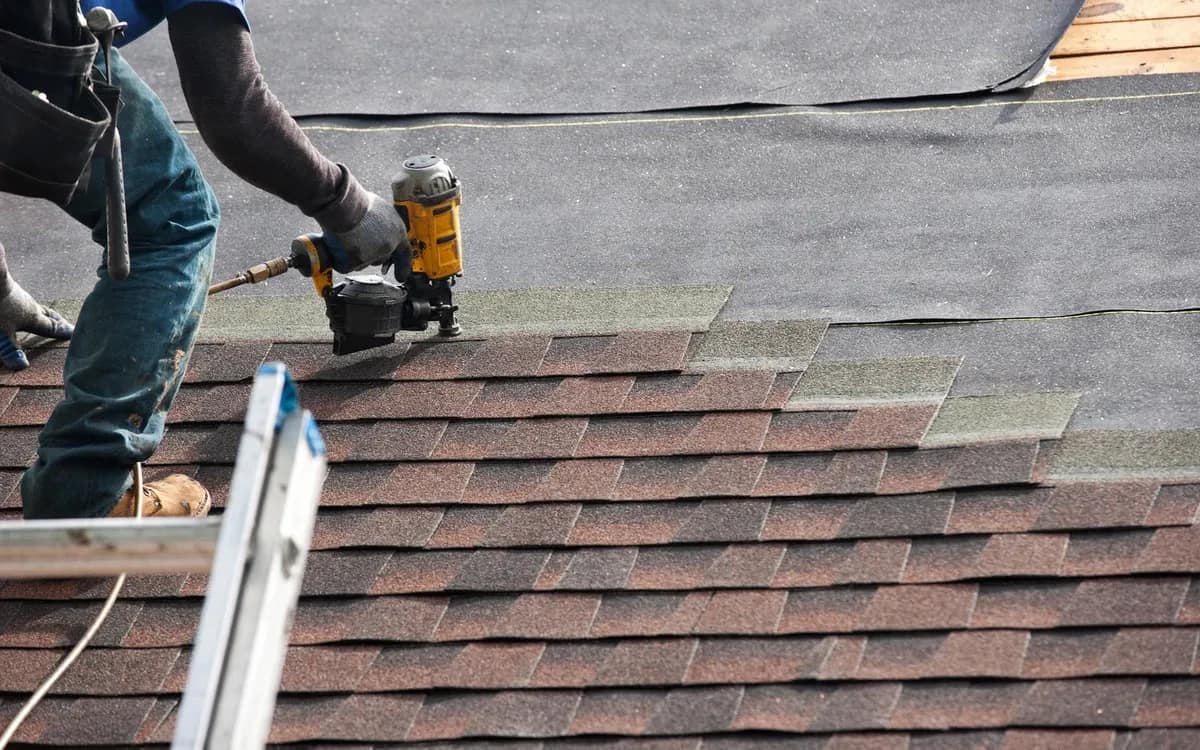 Roofing Materials
Repair or Replace? How to Decide on Your Roof
A leaking or aging roof doesn't always need a full replacement. Here's the honest framework for deciding between a repair and a replacement on the Gulf Coast.
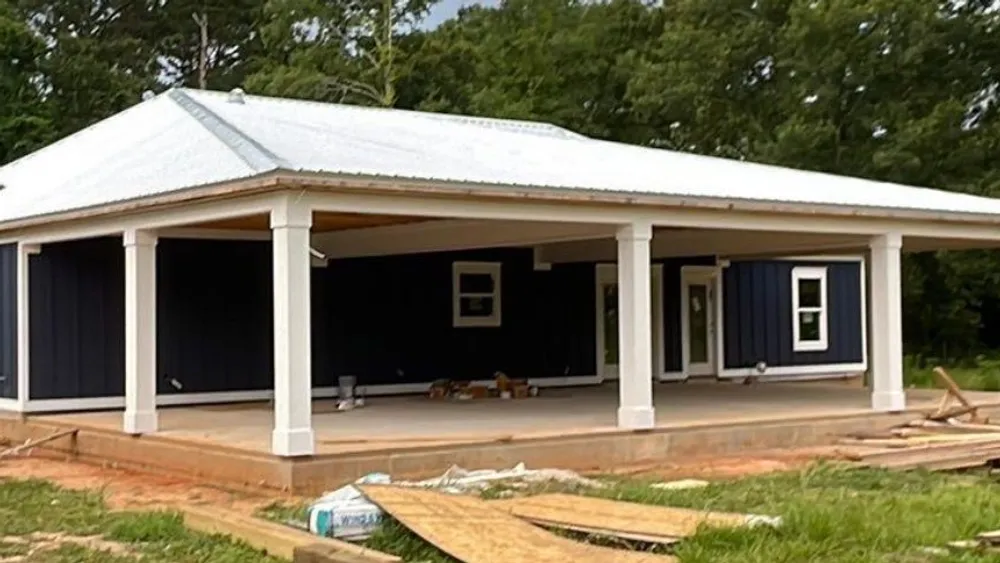 Roofing Materials
Metal vs. Shingle Roofing on the Alabama Gulf Coast
Metal or shingle roofing for a Baldwin or Mobile County home? Compare wind resistance, salt-air durability, upkeep, and looks — the real trade-offs.
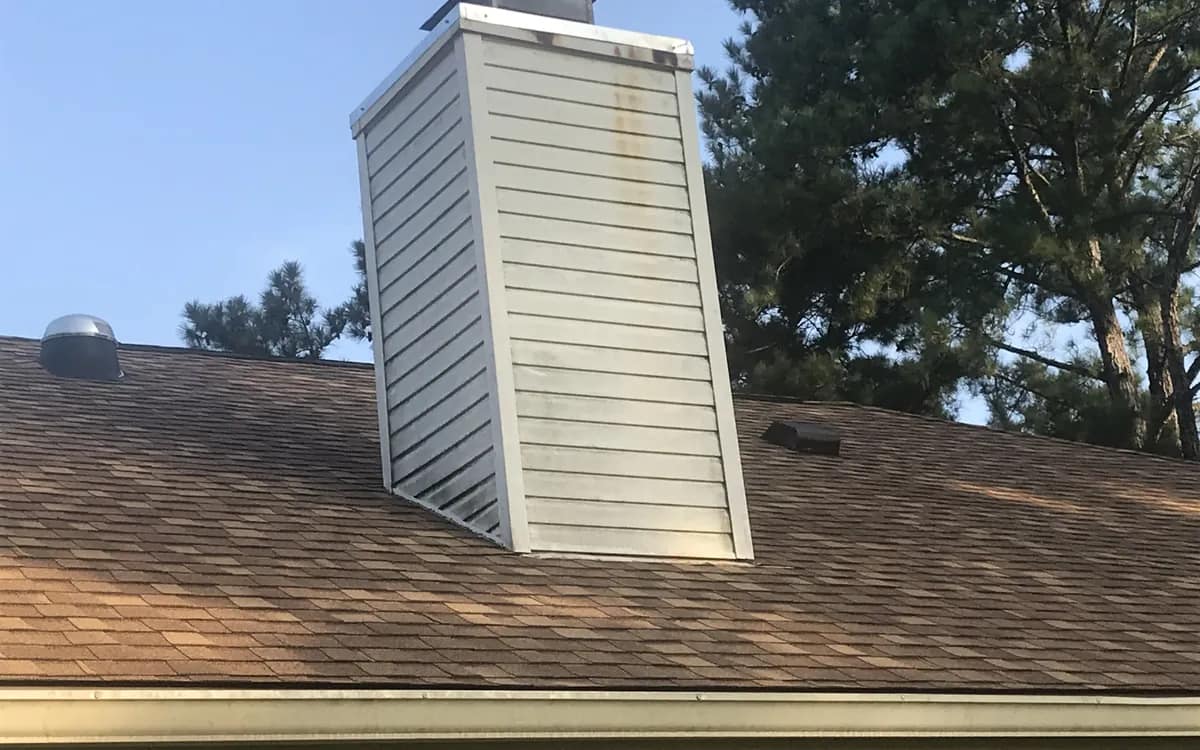 Maintenance
The Gulf Coast Roof Maintenance Calendar
A season-by-season roof maintenance checklist for Baldwin and Mobile County homeowners, built around hurricane season and this coast's real storm record.
Free inspection · no obligation
Want someone to actually look at your roof?
Free inspection anywhere in Baldwin or Mobile County. We climb it, photograph it, and tell you plainly what we found — then put it in writing.
Licensed Alabama roofing contractor #7430. Free estimates across Baldwin and Mobile County.
Loading the quote form…