
Metal vs. Shingle Roofing on the Alabama Gulf Coast
Metal or shingle roofing for a Baldwin or Mobile County home? Compare wind resistance, salt-air durability, upkeep, and looks — the real trade-offs.
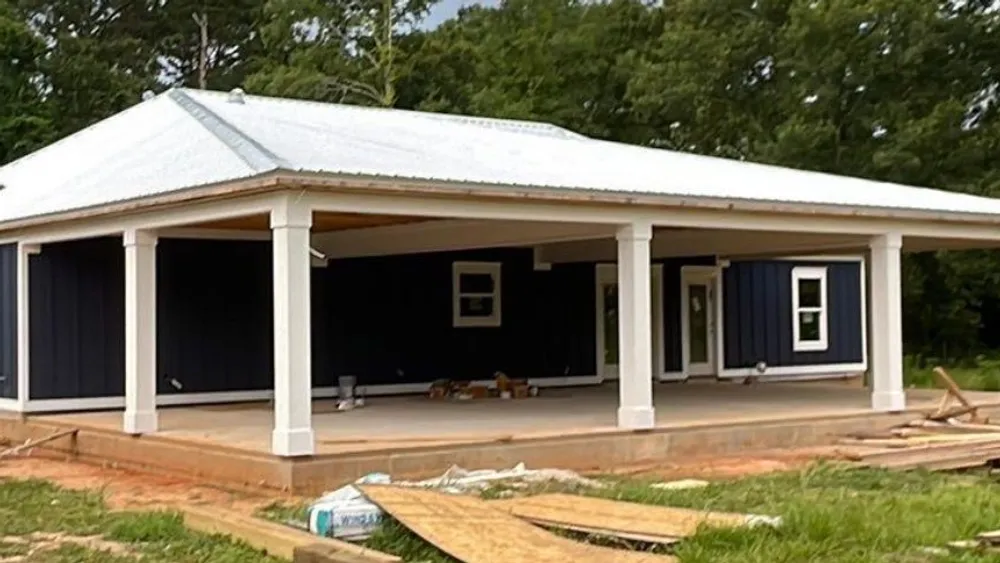
Metal or shingles isn't a question with one right answer — it's a set of trade-offs that land differently depending on your house, your budget, and how long you plan to stay in it. On the Gulf Coast, the two variables that matter most are wind and salt air, and they don't favor the same material in every category. Here's the honest comparison, factor by factor, with no thumb on the scale.
Wind Resistance: Close, But the Fastening Matters More Than the Material
Both systems can be installed to a high wind rating when the installer does the coastal-specific parts right — proper fastening pattern, sealed laps, correct nailing zone on shingles, correct clip spacing on standing-seam metal. Where metal pulls ahead structurally is standing-seam panels: they lock together at concealed clips with no exposed screws for wind cycling to work loose over years. Exposed-fastener metal doesn't have that same edge — the screws are its long-term maintenance point, same as any fastener exposed to weather. A shingle roof with the right nailing pattern and sealed starter course performs well in the same wind field; it's a different failure mode, not a worse one, when installed correctly.
Salt-Air Corrosion: Where Coastal Spec Actually Separates the Two
This is the category where the material choice matters more than the install. Asphalt shingles don't corrode — granule loss and UV breakdown are their aging mechanisms, and salt air doesn't meaningfully accelerate either one. Metal roofing, on the other hand, lives or dies on its coastal fastener and finish spec near the water. Stainless or coated fasteners, the right panel coating, and attention to dissimilar-metal contact points all matter more here than a few miles inland. A metal roof built without that spec in mind will show it first at every screw head and cut edge.
Upkeep: Different Maintenance, Not Less of It
Neither roof is maintenance-free, whatever the marketing says. Shingle roofs benefit from periodic gutter and valley checks, algae monitoring in humid shade, and prompt attention to any lifted or missing tabs after wind events. Metal roofs need an eye on fastener condition (if exposed-fastener), sealant at penetrations, and finish wear at high-friction points like walk paths. If a roof needs a targeted fix rather than a full system, our roof repair page covers what that looks like for either material.
Looks and Resale: A Real Consideration, Not Just Taste
Shingle roofing is still the expected look on most traditional Gulf Coast neighborhoods, and it comes in the widest range of colors and dimensional profiles — architectural shingles mimic higher-end roofing looks at a lower installed cost than most premium materials. Metal has shed its "barn roof" reputation over the last decade and now reads as a deliberate, upscale choice in standing-seam form, particularly on modern coastal architecture. Neither hurts resale value when installed well; the mismatch that hurts resale is a roof that looks out of place for the house and neighborhood, not the material itself.
Repair Complexity: What Happens When Something Goes Wrong Later
This is a category most comparisons skip, and it matters more than people expect once a roof is a few years old. Shingle roofing is generally the easier of the two to patch — a damaged section can be cut out and rewoven into the surrounding field with a reasonably close match, especially if replacement shingles were saved from the original install. Metal roofing repairs are more particular: a damaged standing-seam panel typically needs a full panel replacement rather than a spot patch, since the seams are what make the system watertight, and matching an aged panel's finish exactly can be difficult years after the original run. Exposed-fastener metal is easier to spot-repair than standing-seam, closer to shingle in that respect, though re-torquing or replacing individual fasteners is itself a periodic task. Neither is a dealbreaker either direction — it's simply a maintenance profile worth knowing before you commit to either system. Our roof repair page covers how we approach a targeted fix on either material.
So Which One Should You Choose?
Start with how long you're planning to own the house and how much of the decision is driven by upfront cost versus long-term durability in salt air and wind. If you're weighing the actual dollars, our what drives roof replacement cost post walks through the factors that move the number for either material — the honest version of a cost conversation, without a chart pretending your roof is a national average. And because financing is part of that decision for a lot of homeowners, it's worth knowing what financing options exist before you rule a material out on price alone.
The real answer, in almost every case, comes down to a roof-specific factor most homeowners can't see from the ground: deck condition, existing flashing detail, and how your roof's shape interacts with either system. That's what a proper inspection settles.
The Honest Bottom Line
There's no universal winner here, and any page that tells you otherwise is selling one material over the other rather than answering your actual question. Metal generally wins on multi-decade durability and salt-air resistance when it's specified correctly for this coast. Shingles generally win on upfront cost and the widest range of style options. Both can be built to withstand this region's wind, and both can carry the FORTIFIED designation. If you want the factor-by-factor version specific to what your roof would actually cost either way, start with an on-site inspection — it turns this comparison from general guidance into a real recommendation for your house.
Related on our site
Common questions
Questions we get about this
Is metal roofing better than shingles in Alabama?
Neither wins outright — they trade off differently. Metal generally resists wind uplift and salt-air corrosion better when it's built to a coastal spec, while shingles cost less up front and are easier to patch after localized damage. Which one is "better" depends on how long you plan to own the house and what you're weighing most.
Does a metal roof cost more than a shingle roof?
Typically yes, metal carries a higher installed cost than architectural shingles, though the gap varies by panel system, gauge, and your roof's complexity. We don't publish a price chart because it isn't useful — see our metal roofing cost guide for the real factors and a free on-site quote for your number.
Which roofing material handles hurricanes better?
Both can be built to withstand high wind when installed correctly with the right fastening and underlayment system, and both can qualify for FORTIFIED. Standing-seam metal has no exposed fasteners for wind to work loose over time, which is a real structural advantage; a well-installed shingle roof with proper nailing and sealed edges still performs well in the same storms.
Can I put a metal roof over my existing shingles?
Often, yes, with the right underlayment and furring system, and it can skip a tear-off. Whether it's the right call for your roof depends on the condition of the deck underneath, which is something an inspection settles, not a guess from the driveway.
Sources
Every non-obvious claim above traces to one of these.
- Asphalt Roofing Manufacturers Association (ARMA)asphaltroofing.org
- IBHS FORTIFIED Home Standardfortifiedhome.org
Keep reading
 Roofing Materials
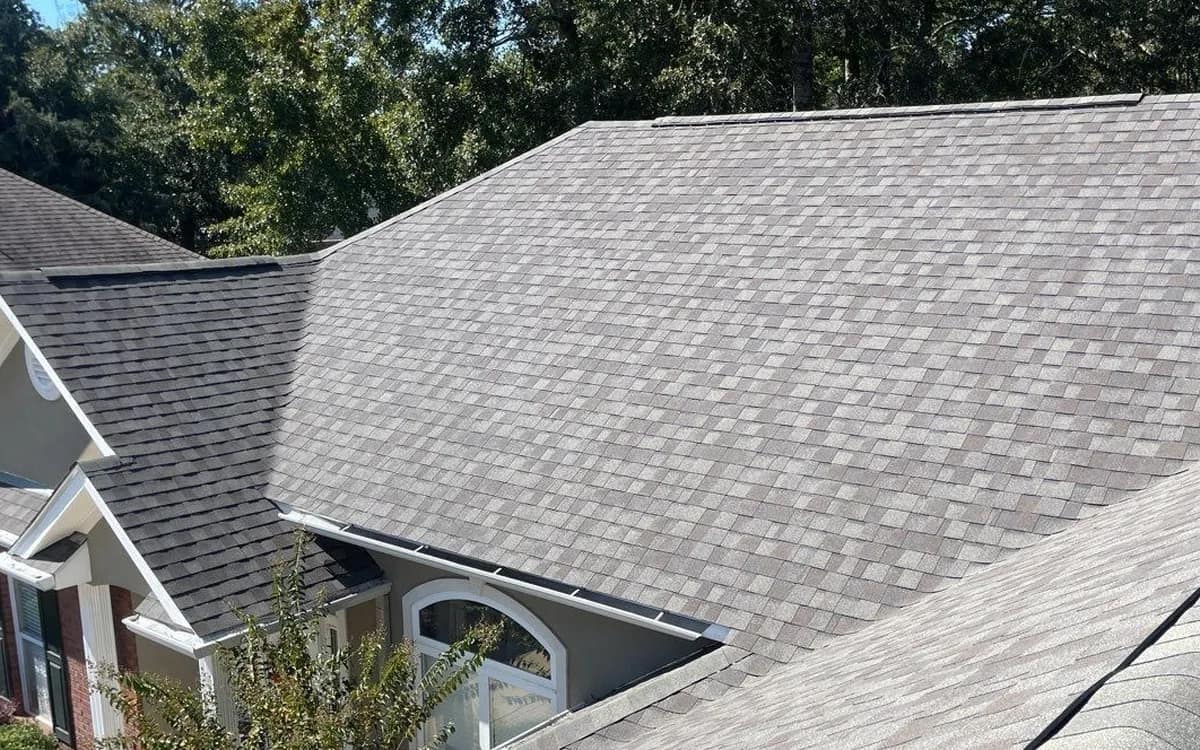
Architectural vs. 3-Tab Shingles in Alabama
Architectural or 3-tab shingles for a Gulf Coast roof? Compare wind performance, weight, appearance, and where each one actually makes sense.
 Roofing Materials
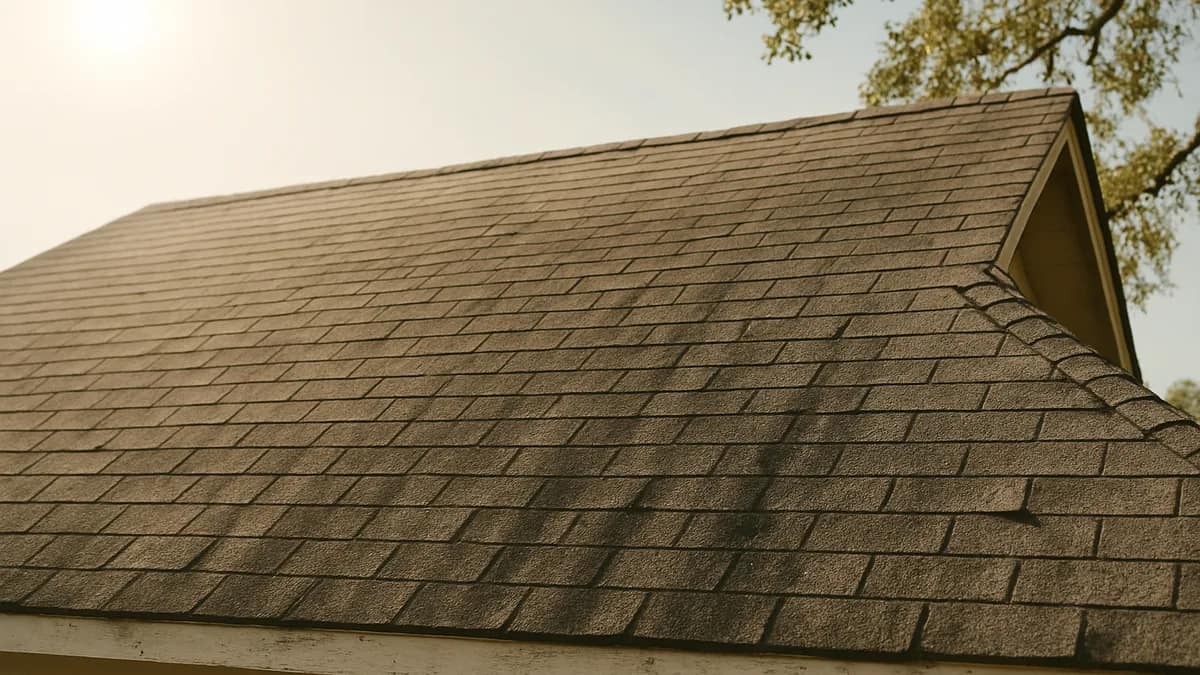
How Long Does a Roof Last in Alabama's Heat?
There's no single number for how long a roof lasts on the Gulf Coast. What actually shortens a roof's life in Alabama's heat, humidity, and storm exposure.
 Roofing Materials
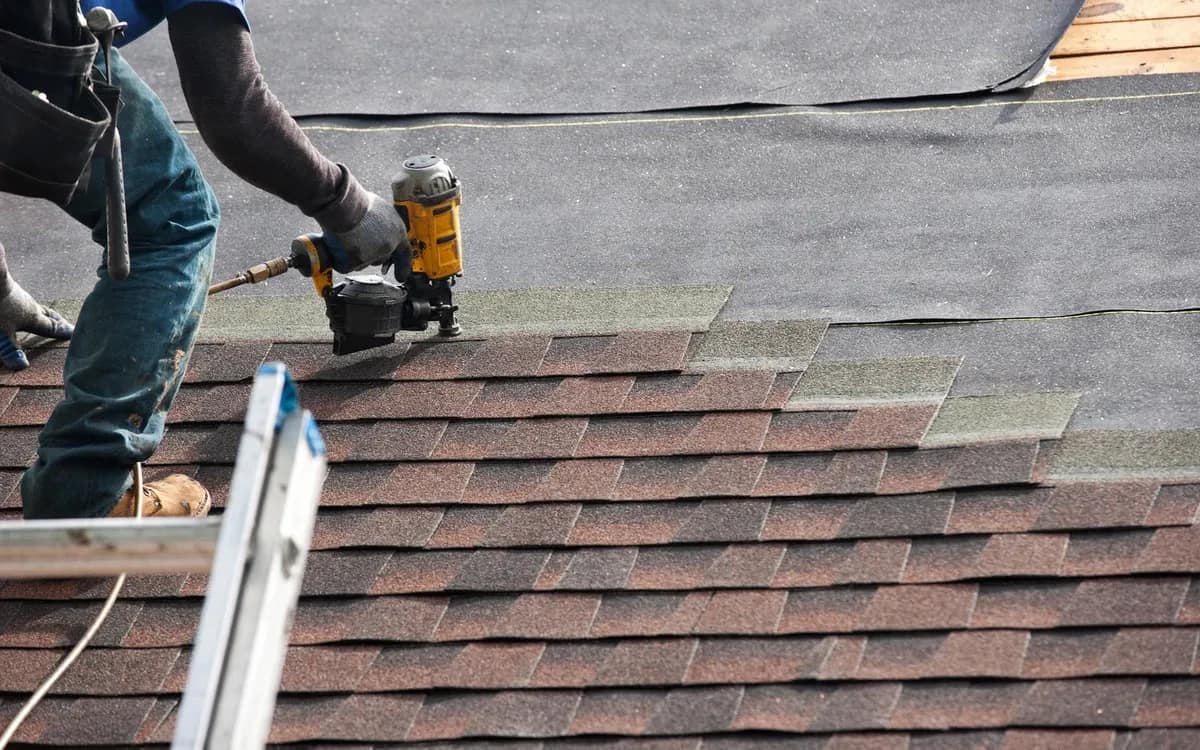
Repair or Replace? How to Decide on Your Roof
A leaking or aging roof doesn't always need a full replacement. Here's the honest framework for deciding between a repair and a replacement on the Gulf Coast.
Free inspection · no obligation
Want someone to actually look at your roof?
Free inspection anywhere in Baldwin or Mobile County. We climb it, photograph it, and tell you plainly what we found — then put it in writing.
Licensed Alabama roofing contractor #7430. Free estimates across Baldwin and Mobile County.
Loading the quote form…