
Should You Replace Your Roof Before Hurricane Season?
Waiting until after a storm to replace a worn roof usually costs more time and more stress, not less. The honest read on Gulf Coast timing.
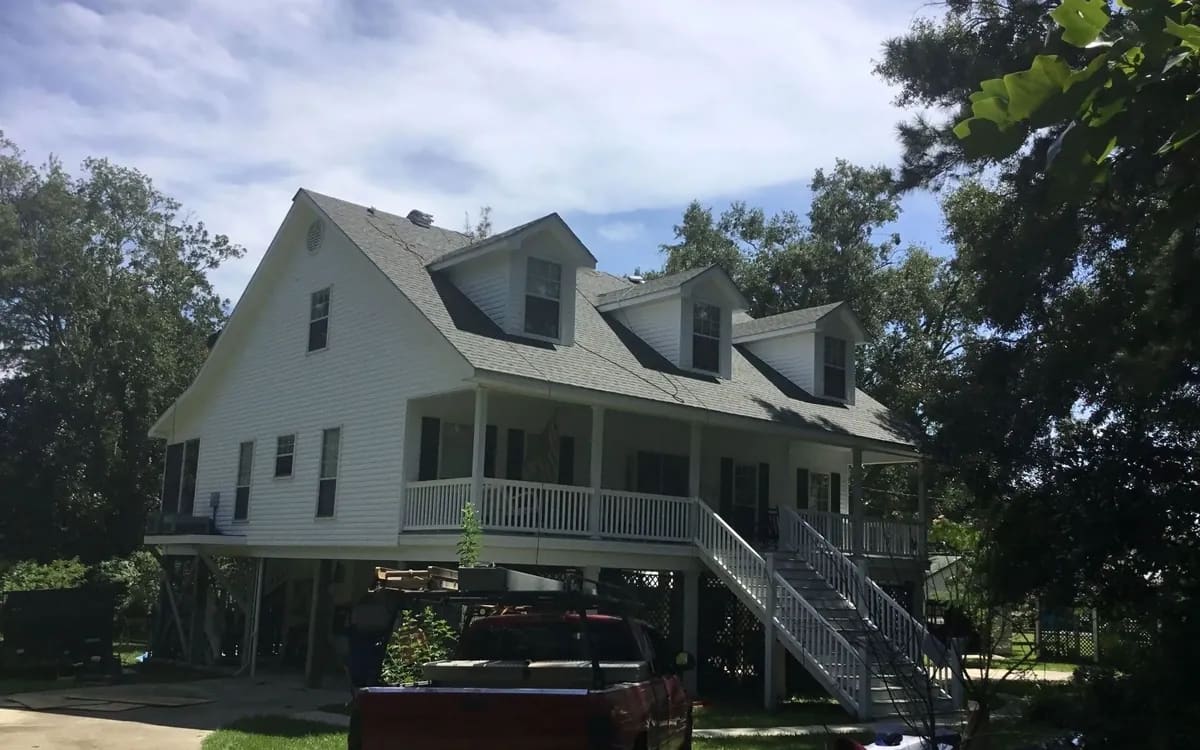
If your roof is already showing its age, the smart window to replace it is before hurricane season builds, not after. A roof that goes into June or July already worn is the one most likely to fail outright in a storm, and a roof you wait to replace until after a storm damages it means competing with every other homeowner in Baldwin and Mobile County for the same permits, materials, and crews at once.
What Gulf Coast hurricane season actually looks like
This isn't an abstract risk. Since 1950, 52 tropical systems have tracked within 100 miles of Mobile Bay, 14 of them as hurricanes, and 27 made a local landfall inside that radius. Hurricane Sally passed 18 miles from the bay in September 2020 as a Category 2 storm at closest approach. Hurricane Ivan came within 12 miles in September 2004 as a Category 3. Neither storm asked whether a roof was ready.
FEMA's disaster-declaration record backs the same pattern from the ground: Baldwin County has had 34 storm-related federal disaster declarations since 1970, Mobile County 36, with the most recent tied to Hurricane Helene in 2024. That is not a once-a-decade event on this coast — it is closer to a once-a-year one, some years quiet and some years not.
We hear the question most from Fairhope homeowners weighing a spring project against a fall one.
The math behind pre-season timing
A full roof replacement takes days when it's scheduled on a normal calendar — a crew shows up, tears off, dries in, and installs on a predictable timeline. After a named storm hits two counties at once, that same job competes with hundreds of others for the same permitting offices, the same material suppliers, and the same licensed crews. Prices don't necessarily jump, but availability does, and "when can you get to me" becomes a much longer answer than it would have been in April.
Replacing a worn roof before hurricane season isn't about outrunning a specific storm. It's about not being the homeowner standing in that queue with an open roof and a tarp, waiting on a crew that's already booked six weeks out.
Is my roof even a candidate for pre-season replacement?
That's the real question, and it isn't one you can answer accurately from the driveway. A written inspection checks the things that actually predict failure: granule loss in the gutters, shingle edges that have started to curl or cup, soft spots in the decking, and flashing that's pulled away from a chimney or vent. A roof with a few of those signs can often wait a season with monitoring. A roof with several of them is a liability the first time a gust gets under an edge.
If you wait and a storm hits first
Waiting isn't a mistake by itself — plenty of roofs make it through a season fine. But if a storm does find a roof that was already due, the sequence changes: you're now dealing with storm damage repair, an insurance claim, and a replacement decision all at the same time, often with water already inside the house. Liberty documents what it can and files what it can honestly file, but nobody can promise a fast turnaround when an entire county is calling at once — that's the reality of the emergency side of this business, not a knock on any one contractor.
What an old roof costs you in a claim, even if it survives
There's a second reason timing matters that has nothing to do with whether a storm actually hits. An older roof is settled differently by an insurance claim than a newer one — most policies pay out storm damage on an actual cash value basis once a roof passes a certain age, which factors depreciation into the payout rather than covering full replacement cost. That's a conversation worth having with your policy specifically, but the pattern holds across most Gulf Coast carriers: the older the roof, the more the age itself works against the payout, independent of how well the roof was maintained.
That's a second, quieter argument for pre-season timing beyond simply avoiding contractor backlogs. A roof replaced proactively resets that clock. A roof that takes storm damage at twenty-two years old is negotiating from a weaker position than the same roof would have been at five.
What a realistic pre-season timeline actually looks like
There's no universal calendar here, but the shape of it is consistent: a written inspection first, a scope and quote based on what that inspection actually finds, then scheduling around material availability and crew capacity. None of that has to happen in a rush if it starts early in the year rather than in June. The homeowners who end up in the post-storm scramble are almost always the ones who knew the roof was due and put off the first step — the inspection — until the decision was forced on them.
The honest bottom line
A roof that's already worn is a bigger liability in July than it is in January, and the calendar math favors getting ahead of the season rather than reacting to it. If you're not sure which category your roof falls into, that's exactly what a written inspection is for — and it costs nothing to find out before the answer is forced on you.
Want a straight read on where your roof stands before the season builds? Schedule a free inspection or call and ask what a Baldwin or Mobile County crew is actually seeing on roofs your age. If a storm does reach your roof first, here's what to do after it hits and why so many Gulf Coast roofs seem to age out together.
Related resources
Common questions
Questions we get about this
Is there a wrong time of year to replace a roof on the Gulf Coast?
Not a wrong time exactly, but a harder one. Late summer and early fall carry the highest chance of a named storm interrupting a job already in progress, and post-storm months bring permitting backlogs and material delays across two counties at once. Late fall through spring is the calmer window for planning a full replacement.
Will insurance pay for a roof I replace before a storm damages it?
Routine wear-and-tear replacement is a homeowner cost, not a claim — insurance responds to a covered event like wind or hail, not to a roof that is simply old. If your roof is already storm-damaged, that is a different conversation and belongs with the insurance-claims process, not a pre-season upgrade.
How do I know if my roof can wait one more hurricane season?
A written inspection is the only honest answer. A roof with intact granules, flat shingles, and no soft decking can often go another season; one with curling edges, bald patches, or a prior storm repair patched rather than replaced usually cannot. Guessing from the ground gets it wrong in both directions.
Does a brand-new roof mean I'm safe from storm damage?
No roof is storm-proof. A new roof installed correctly is simply better positioned to take a direct hit without failing outright, and it gives you a clean baseline for documenting any damage that does happen. It lowers your risk; it doesn't remove it.
Sources
Every non-obvious claim above traces to one of these.
Keep reading
 Local
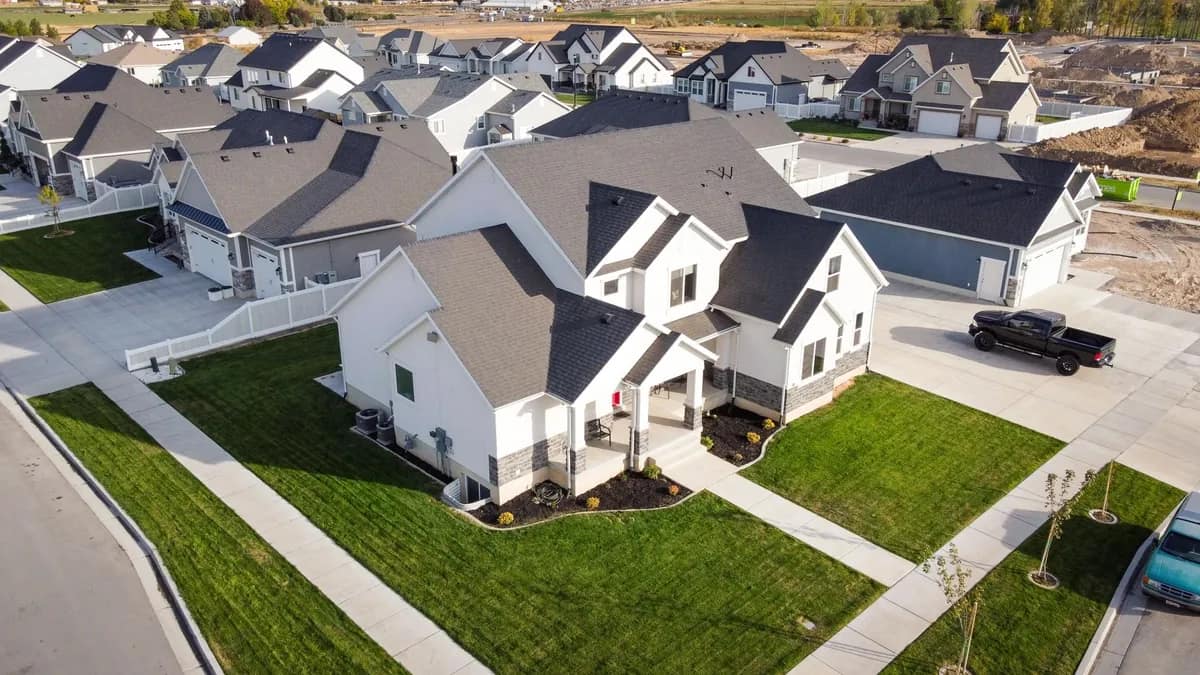
LocalWhy So Many Baldwin County Roofs Are Aging Together
A building boom and a run of hurricanes put a lot of Baldwin County roofs on the same clock. Here's the honest, data-backed read on why.
 Insurance Claims
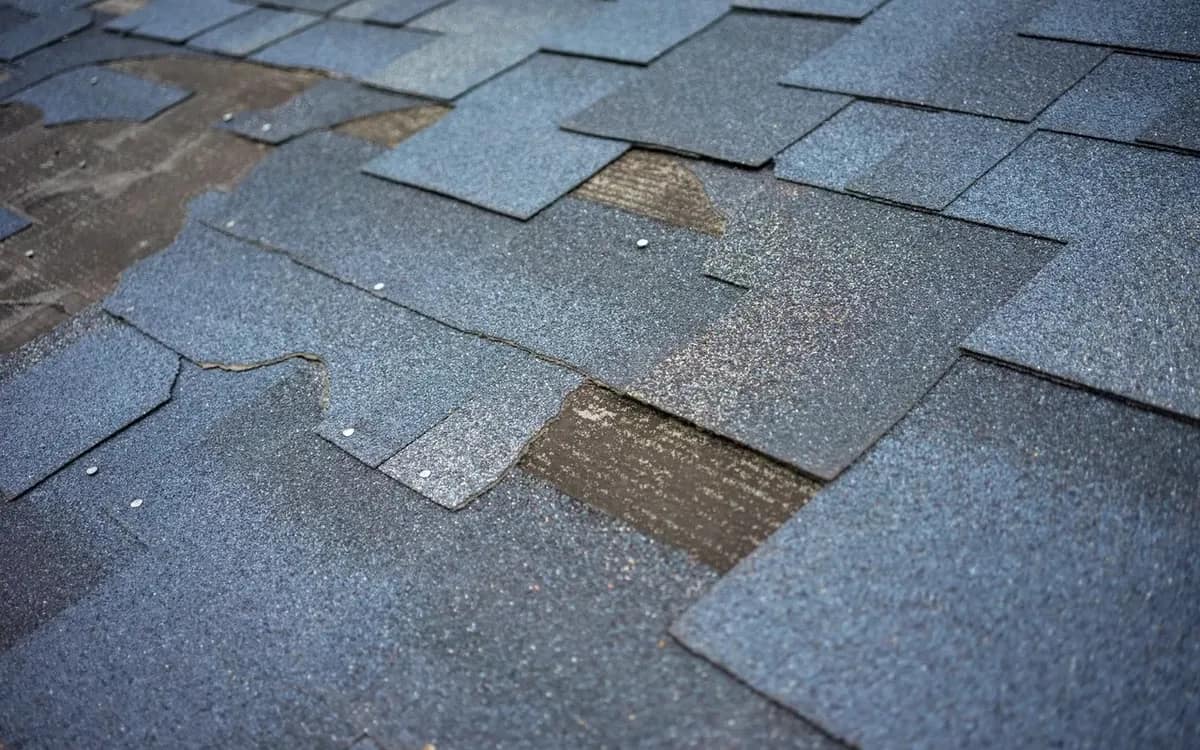
Filing a Roof Insurance Claim After a Gulf Coast Storm
What actually happens between a storm hitting your roof and a check clearing — the order of operations, the paperwork, and the honest timeline.
 Storm Preparedness
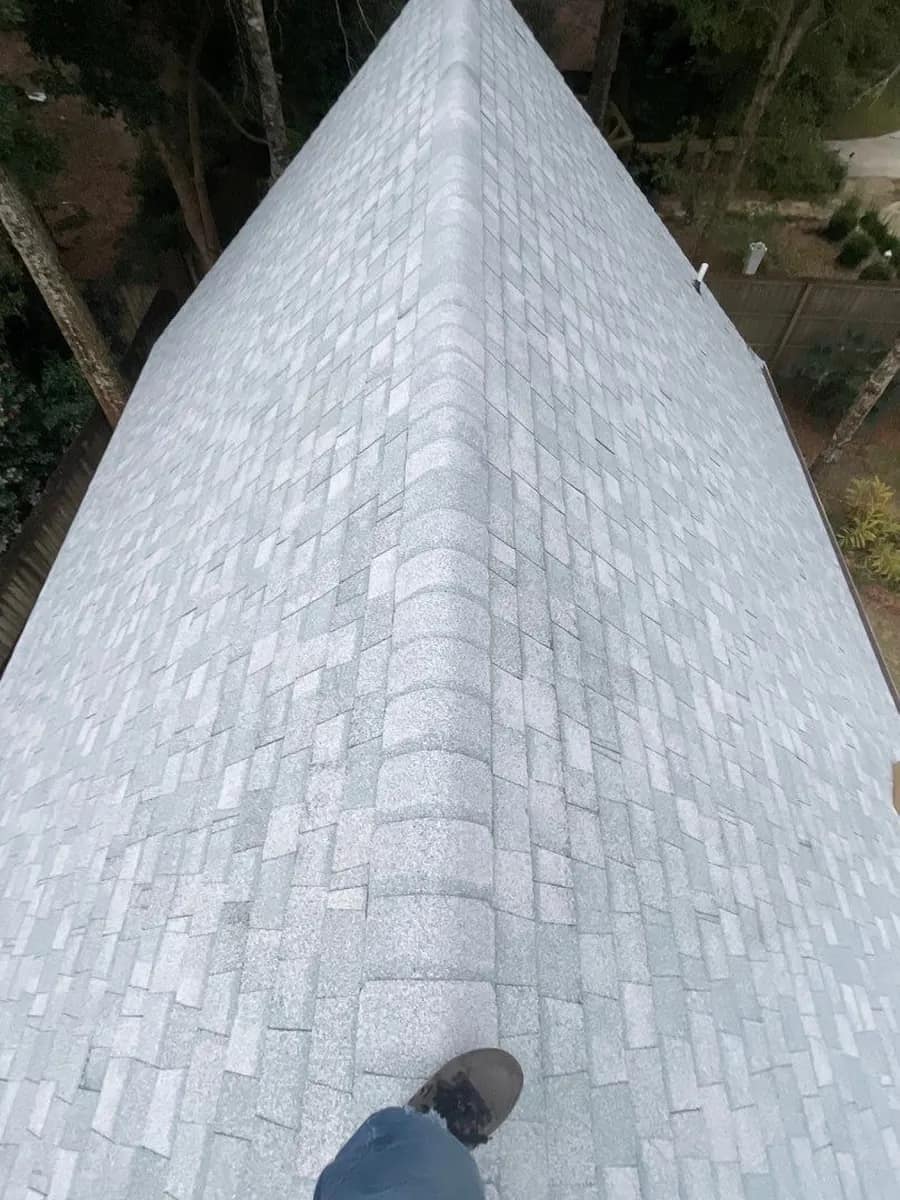
A Pre-Hurricane-Season Roof Check for the Coast
What to check on a coastal Alabama roof before a storm is named, what to photograph now, and why pre-season work beats post-storm work.
Free inspection · no obligation
Want someone to actually look at your roof?
Free inspection anywhere in Baldwin or Mobile County. We climb it, photograph it, and tell you plainly what we found — then put it in writing.
Licensed Alabama roofing contractor #7430. Free estimates across Baldwin and Mobile County.
Loading the quote form…