
A Pre-Hurricane-Season Roof Check for the Coast
What to check on a coastal Alabama roof before a storm is named, what to photograph now, and why pre-season work beats post-storm work.
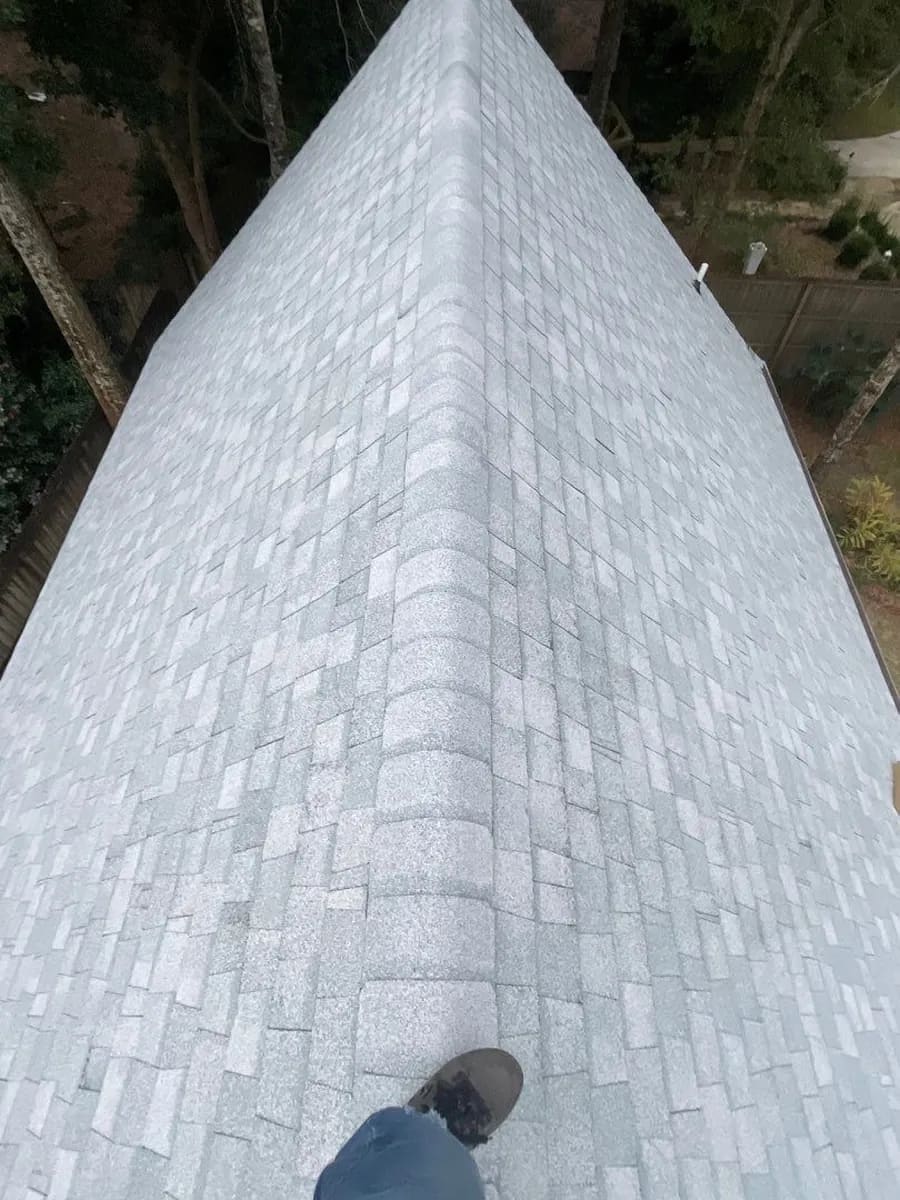
The useful window for roof work on this coast is the one before anything has a name. Once a system enters the forecast, every crew in Baldwin County and Mobile County is committed, suppliers run short, and a job that would have taken a week takes a month. A pre-season check has two jobs: find the small failures while they are still small, and build the photographic record that will settle an argument later if a storm does come through.
Why the calendar matters more than the checklist
The storm record here is not abstract. NOAA's HURDAT2 database counts 52 named systems within 100 miles of Mobile Bay since 1950, 14 of them at hurricane strength near the bay. Ivan in 2004 and Sally in 2020 both tracked within about twenty miles of the bay at closest approach. Sally is the one people describe by how long it sat rather than how hard it blew.
What follows a storm like that is a demand shock. Months of roofing work compress into weeks across two counties at once. Lead times stretch, material supply thins, and out-of-town crews arrive in numbers — which is its own problem, covered in how to choose a roofing contractor.
None of that applies in a quiet spring. Pre-season work gets scheduled normally, inspected normally, and finished before it matters.
None of this is exotic — it's the same walk-around any Gulf Coast roofer does before June.
The ground-level pass you can do yourself
Stay off the roof. Everything below can be done from the yard, a ladder at the eave, and inside the attic.
- Walk all four elevations and look along each roof plane at a low angle. Waviness, dips, or a ridge that is not straight are structural signals, not cosmetic ones.
- Look for missing, lifted, or curled shingles, especially along the eaves, rakes, and ridge, where wind starts. Any course that has lifted once will lift again.
- Check the edge metal. Dented, loose, or separated drip edge is the leading edge of a future failure, for reasons laid out in why wind takes the roof edge first.
- Empty a gutter and look at what comes out. A handful of granules after a new roof is normal. Steady granule loss on a mature roof means the covering is spending down its remaining life.
- Look at every penetration — pipe boots, vents, the chimney. Cracked rubber boots are one of the cheapest fixes there is and one of the most common slow leaks.
- Go into the attic with a flashlight on a dry day and again during a rain. Stains on decking, daylight at penetrations, damp insulation, or a musty smell all mean water is already getting in.
- Look at the ceilings inside, room by room, especially in corners and around light fixtures.
If any of that turns up something, it is a roofing repair conversation now rather than an emergency later.
The photographic record — the part almost nobody does
Twenty minutes with a phone before the season is the highest-return thing on this list, and it has nothing to do with roofing.
Photograph each elevation wide, then the roof planes, the ridge, the flashing, the gutters, and the attic decking. Photograph every ceiling in the house. Keep the originals somewhere that is not only on the phone — cloud storage or emailed to yourself — with the date intact.
Why it matters: after a storm, the argument is rarely about whether the roof is damaged. It is about whether the damage is new. Dated before pictures answer that question in a way no verbal history can, and they are the single most useful thing a homeowner can hand an adjuster. The rest of that process is covered in roof insurance claims and specifically in what happens at the adjuster visit.
While you are in the file cabinet, pull your declarations pages and confirm what your wind deductible actually is and whether your coverage is replacement cost or actual cash value. Homeowners routinely discover the answer at the worst moment; the difference between ACV and RCV is worth knowing before you need it, and roof age is often what drives it — see roof age and insurance.
What if the check says the roof is near the end?
Then the season is the deadline, not the calendar. A roof with two seasons left in it does not become safer by waiting, and replacing it before a storm means doing it on a normal schedule with normal availability.
It is also the only practical moment to harden anything. Deck sealing, deck re-fastening, and upgraded edge metal all happen while the covering is off, which is why a re-roof is when a house can reach the FORTIFIED standard at all. The sealed roof deck is the part that matters most, and the three designation levels explain how far up the ladder an existing home can realistically go. If you are re-roofing anyway, roof replacement is the place to start.
The funding clocks are seasonal too
Strengthen Alabama Homes, the state grant program that pays toward a FORTIFIED roof, opens quarterly by county on a first-come, first-served basis, with a series of tight seven-day deadlines once you are in. Practically, that means a homeowner who misses a summer window is looking at fall — and fall work lands after the season it was meant to prepare for.
Liberty holds the FORTIFIED credential and is not a Strengthen Alabama Homes program contractor. We are not on the state's approved-contractor list and we do not perform grant-funded work, so if the grant is your route you will need a roofer from that list. The grant page covers the application mechanics, the standard-versus-program comparison covers the confusion, and what to do if you missed a window covers the case most homeowners actually land in.
Get a real set of eyes on it
The ground pass tells you whether something is obviously wrong. It does not tell you how much life is left in a roof, whether the decking has gone soft in places, or whether the edge detailing was done right when the roof went on. That is what a roof inspection is for, and doing it in Mobile or Spanish Fort in April is a completely different experience from trying to book one in September.
Common questions
Questions we get about this
When should I have my roof checked before hurricane season?
Early, and before a storm is in the forecast cone. Once a system is named, every crew and supplier on the Gulf Coast is committed and the calm work you could have scheduled in a week turns into a queue. Checking in spring or early summer leaves room to fix small things while they are still small and to plan a replacement on your own timeline rather than a storm's.
What should I photograph before a storm?
Photograph the roof from every side of the house from the ground, the ridge line, any visible flashing, the gutters, the attic decking from inside, and every ceiling in the house. Add a wide shot of each elevation. Date-stamped before pictures are what separate storm damage from pre-existing wear when an adjuster looks at the roof afterward, and they cost you nothing but twenty minutes.
Is it worth replacing a roof before hurricane season instead of after?
Usually yes, if the roof is already near the end of its life. Post-storm demand compresses months of work into weeks across two counties, which stretches lead times, thins material supply, and draws out-of-town crews to the coast. Pre-season work is scheduled, priced, and inspected under normal conditions, and it means the roof faces the season already hardened rather than hoping to survive it.
Can I do the check myself or do I need a roofer?
Do the ground-level and attic pass yourself — it is genuinely useful and you know your house. Stay off the roof. What a roofer adds is the part you cannot see from the yard: fastener condition, the state of the edge metal, soft decking underfoot, flashing detail at walls and chimneys, and whether what you are looking at is normal aging or an actual failure in progress.
Sources
Every non-obvious claim above traces to one of these.
- NOAA HURDAT2 Atlantic best-track databasenhc.noaa.gov
- IBHS — the FORTIFIED Roof standardfortifiedhome.org
- Strengthen Alabama Homes — grant award schedulestrengthenalabamahomes.com
Keep reading
 Storm Preparedness
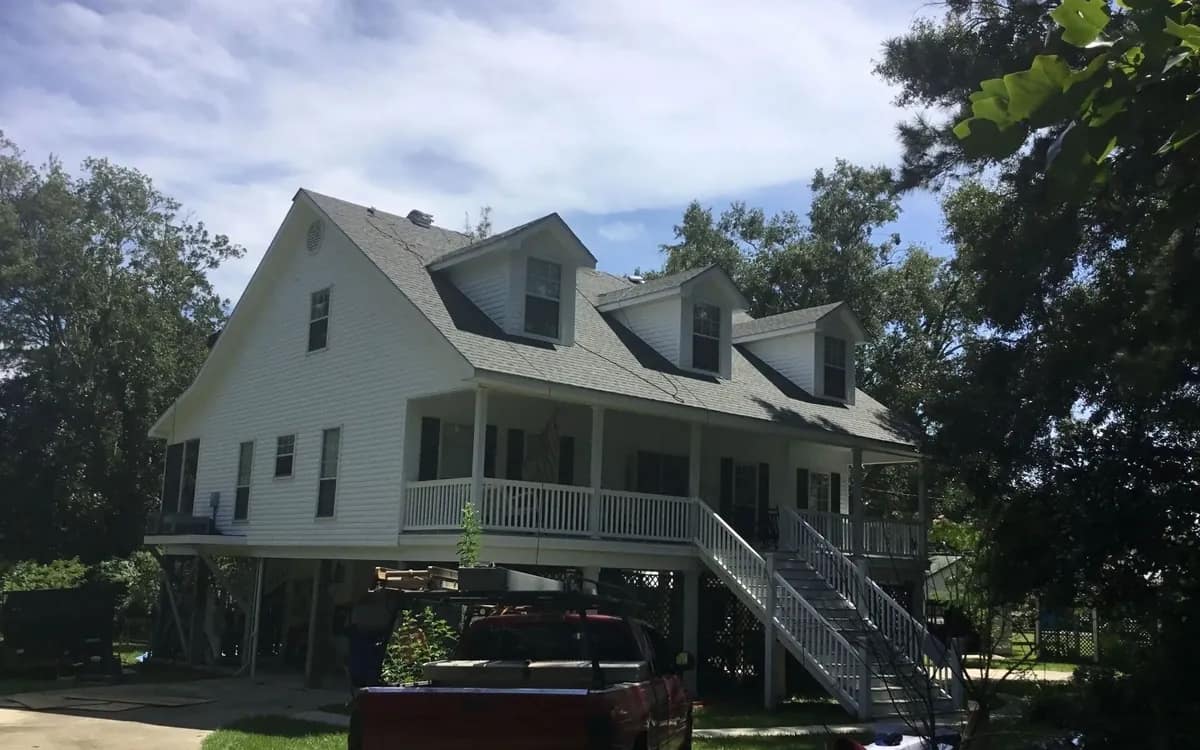
Should You Replace Your Roof Before Hurricane Season?
Waiting until after a storm to replace a worn roof usually costs more time and more stress, not less. The honest read on Gulf Coast timing.
 Storm Preparedness
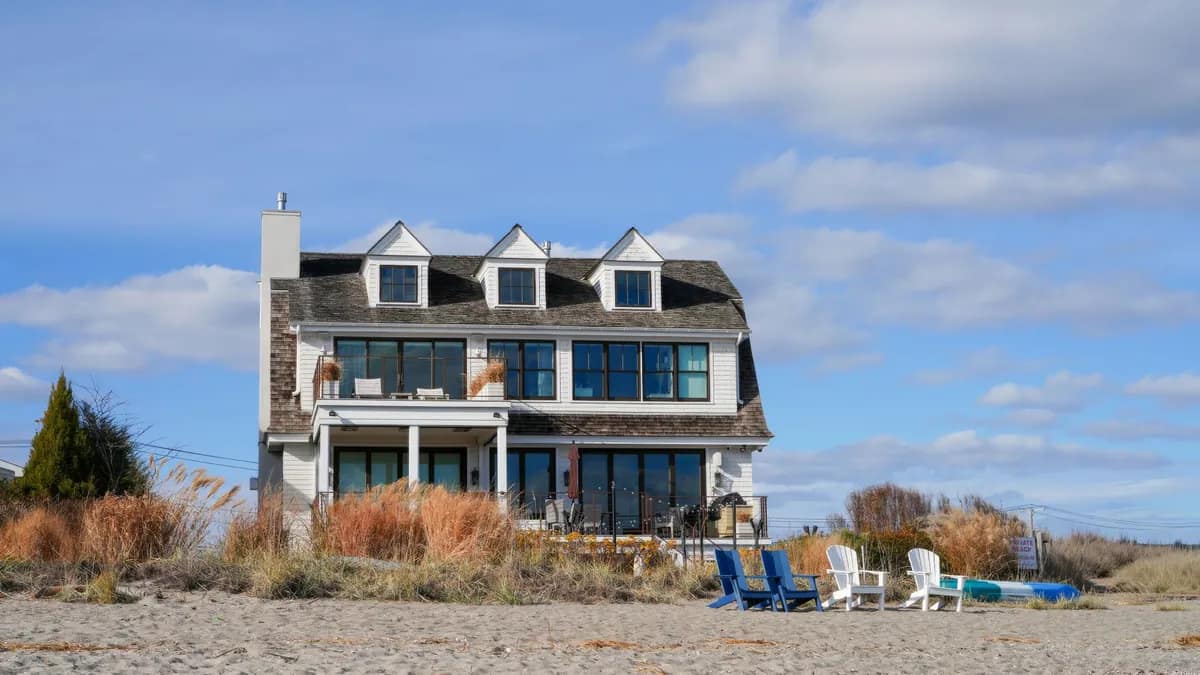
Hardening an Older Coastal Roof, in the Right Order
You cannot harden a Gulf Coast roof piecemeal. What is worth doing now, what has to wait for the re-roof, and what to skip entirely.
 Storm Preparedness
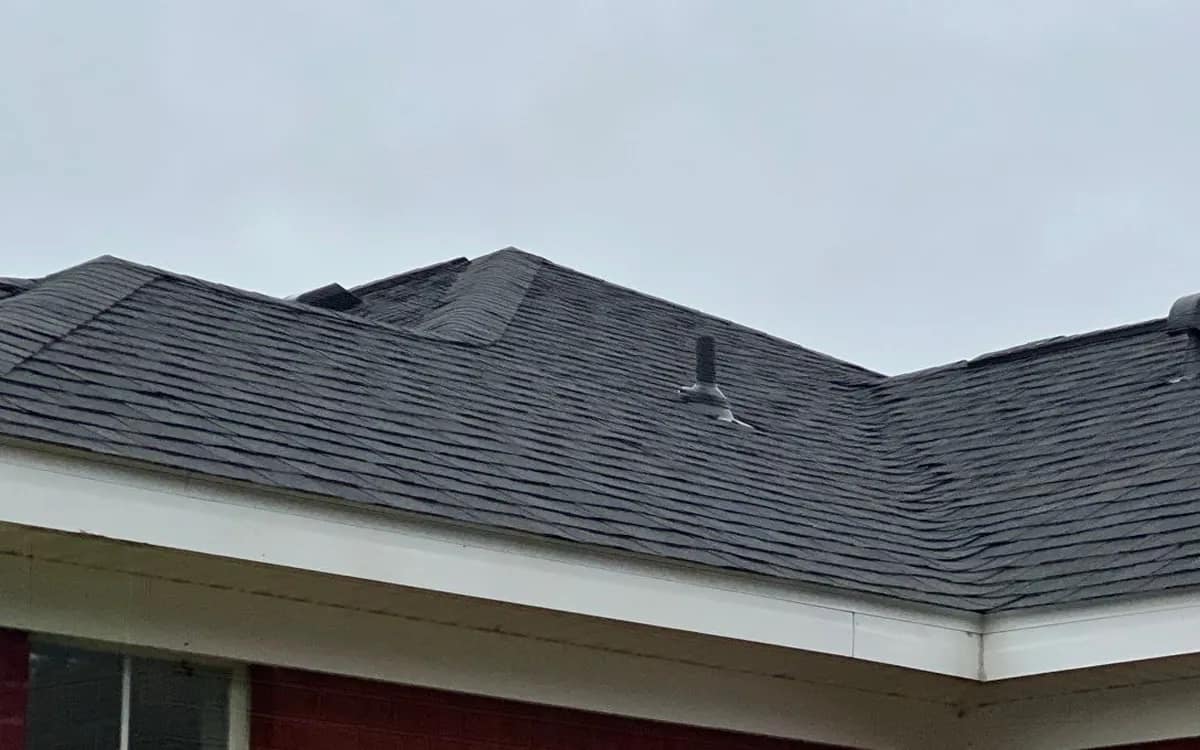
Why Gulf Coast Wind Takes Your Roof Edge First
Hurricane wind starts at the roof edge, not the middle. What drip edge, edge metal, and starter courses actually do in a coastal storm.
Free inspection · no obligation
Want someone to actually look at your roof?
Free inspection anywhere in Baldwin or Mobile County. We climb it, photograph it, and tell you plainly what we found — then put it in writing.
Licensed Alabama roofing contractor #7430. Free estimates across Baldwin and Mobile County.
Loading the quote form…