
Hardening an Older Coastal Roof, in the Right Order
You cannot harden a Gulf Coast roof piecemeal. What is worth doing now, what has to wait for the re-roof, and what to skip entirely.
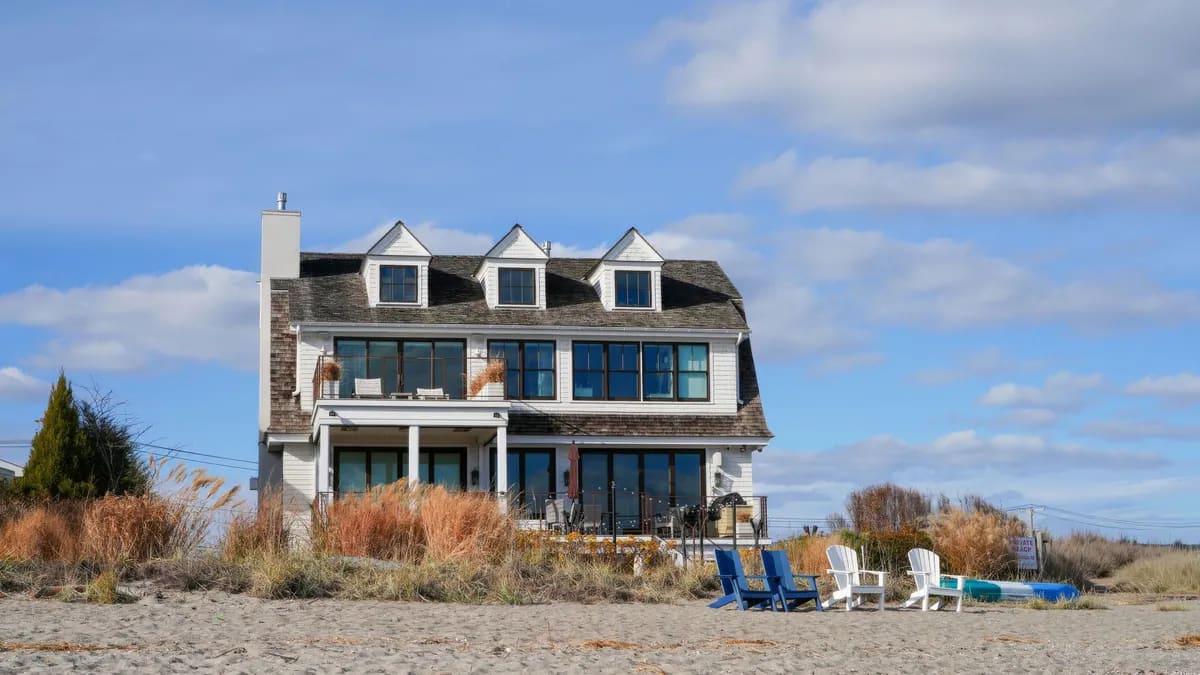
Most homeowners with an older roof are not choosing between code minimum and a full FORTIFIED rebuild. They are choosing what to do this year on a roof with a few seasons left. That is a legitimate position, and there is a right order to work in: stop active water first, fix the perimeter second, plan the deck work for the re-roof, and skip anything that only sounds like hardening. What follows is that order, and the honest limits of each step.
First: stop water that is already getting in
Every rain on an active leak takes something out of the decking and the framing, and a soft deck is the thing most likely to blow your budget when the roof finally comes off. It also narrows your choices — decking that has gone spongy has to be replaced, and it is discovered on tear-off day, not before.
Cracked pipe boots, failed flashing at walls and chimneys, and open penetrations are the usual culprits, and none of them is expensive on their own. They are ordinary roofing repairs. If water is coming in during a storm rather than seeping, that is an emergency roof repair situation and it should not wait for a quote cycle.
Second: fix the perimeter
Wind does not start in the middle of a roof. It separates at the eaves, rakes, and corners, and the suction there is what pries a covering loose. An older coastal roof usually shows its age at that perimeter first — edge metal loose at the fasteners, a lap that has opened, a run that lifted in a past storm and was pushed back down.
Replacing damaged edge metal and re-securing lifted courses is one of the higher-return repairs available on an older roof, and it is worth doing even if a re-roof is two seasons out. The mechanics of why are in why Gulf Coast wind takes your roof edge first.
Salt air compounds this. Near the water in Gulf Shores, and to a lesser degree inland toward Theodore, corrosion attacks the metal components long before it touches the shingles — fasteners, edge metal, flashing, and exposed-fastener panel systems. It is common to find an older coastal roof whose covering looks reasonable and whose hardware does not.
Third: understand what has to wait for the re-roof
This is where the honest limit sits. The three requirements that do the most work in a storm all happen at the decking:
- Sealing the deck seams and running a full secondary water barrier, so the house stays dry after the covering leaves.
- Re-fastening the decking to an upgraded schedule, which determines how much uplift the deck takes before it peels.
- Rebuilding the perimeter to spec with upgraded edge metal, a proper starter course, and detailing rated for this wind zone.
None of that can be done under an existing covering. That is not a sales position, it is geometry — the work is on the deck, and the deck is under the shingles. It is also why the re-roof is the only cost-effective moment to reach the standard, a point covered in the sealed roof deck explainer and in the three designation levels.
There is a paperwork consequence too. A designation is issued against the whole standard, with documentation captured while the roof is open and reviewed by an independent third-party FORTIFIED Evaluator whom you hire directly. Improvements made a piece at a time cannot be assembled into a certificate later. Partial hardening protects the house; it does not produce a designation, and any contractor implying otherwise is describing something the program does not do.
What is worth skipping
- Coatings sold as storm protection on an asphalt roof. They do not change deck attachment, edge detailing, or what happens once the covering is gone.
- Adding fasteners through the top of an existing covering. It puts new holes in a roof that is already aging.
- Replacing a small section of covering to match a repair on an old roof. Sometimes necessary, rarely a strategy — a roof where matching is a recurring problem is telling you where it stands.
- Waiting for a funding window with a leaking roof. Covered below.
Where does the money help?
Alabama requires insurers to discount the hurricane portion of a premium by 35–60% and the other-wind portion by 20–35% for a home carrying a FORTIFIED designation (Ala. Code § 27-31D-2.1; Alabama Department of Insurance) — percentages of portions of a premium, not of the whole bill, with the actual figure belonging to your agent. Those credits attach to the designation, which is why they belong to the re-roof conversation rather than the repair conversation. The insurance discount page has the mechanics, and what your agent needs afterward has the paperwork.
On the funding side, the Strengthen Alabama Homes grant pays toward a roof built to the standard, and a separate state mitigation tax credit exists as well — see the grant page, roof assistance programs, and the roof tax credit page for the tax piece, which is a question for a tax professional. Liberty is FORTIFIED-credentialed and is not a Strengthen Alabama Homes program contractor: we are not on the state's approved-contractor list and we do not perform grant-funded work. If the grant is your path, you will need a roofer from that list, and the standard-versus-program comparison explains why the two get confused.
Sequencing it against the storm calendar
The storms are the deadline. NOAA's HURDAT2 record puts 52 named systems within 100 miles of Mobile Bay since 1950, 14 of them at hurricane strength near the bay, with Ivan passing within about 12 miles in 2004 and Sally within about 18 in 2020. Across Baldwin County and Mobile County the practical lesson from both is the same: the roofs that lost shingles and kept their ceilings were the ones whose deck and perimeter were doing their job.
Work the order. Stop the water, fix the perimeter, plan the deck work for the year the roof is actually due, and do the planning in the spring rather than in the middle of a season. A pre-hurricane-season roof check is the routine version of that, and a roof inspection is how you find out which stage of this list you are actually on. When the answer is that the roof is due, roof replacement is where the hardening decisions get made — all of them at once, while the deck is open.
Common questions
Questions we get about this
Can I harden an existing roof without replacing it?
Partly. Damaged edge metal, cracked pipe boots, failed flashing, and loose or missing shingles can all be corrected during a repair, and doing so removes the most common entry points for wind-driven rain. What cannot be done without a tear-off is the deck work — sealing the seams, adding a full secondary water barrier, and re-fastening the decking to an upgraded schedule — because all three happen at the decking itself.
Can I earn a FORTIFIED designation a piece at a time?
No. The designation is issued against the whole standard, with the work documented while it happens and reviewed by an independent third-party evaluator. Improvements made piecemeal over several years cannot be assembled into a designation afterward, because the documentation the standard requires can only be captured while the roof is open. Partial hardening still protects the house; it just does not produce a certificate.
Does salt air really shorten a roof's life near the water?
Corrosion is a genuine coastal factor, and it shows up first at metal components — fasteners, edge metal, flashing, and exposed-fastener panel systems — rather than in the shingles themselves. That is why an older roof close to the water is often held on by hardware in worse condition than the covering above it, and why fastener and flashing condition deserve a specific look during any coastal inspection.
What is the single most valuable thing to do first?
Stop water that is already getting in, then fix the perimeter. Active leaks damage decking and framing every time it rains, which shrinks your options and raises the cost of the eventual replacement. After that, the edges: lifted or corroded edge metal is where a coastal roof begins to unzip in a storm, and it is inexpensive to correct compared with what it leads to.
Sources
Every non-obvious claim above traces to one of these.
- IBHS — the FORTIFIED Roof standardfortifiedhome.org
- NOAA HURDAT2 Atlantic best-track databasenhc.noaa.gov
- Alabama Department of Insurance — mandated FORTIFIED premium creditsaldoi.gov
Keep reading
 Storm Preparedness
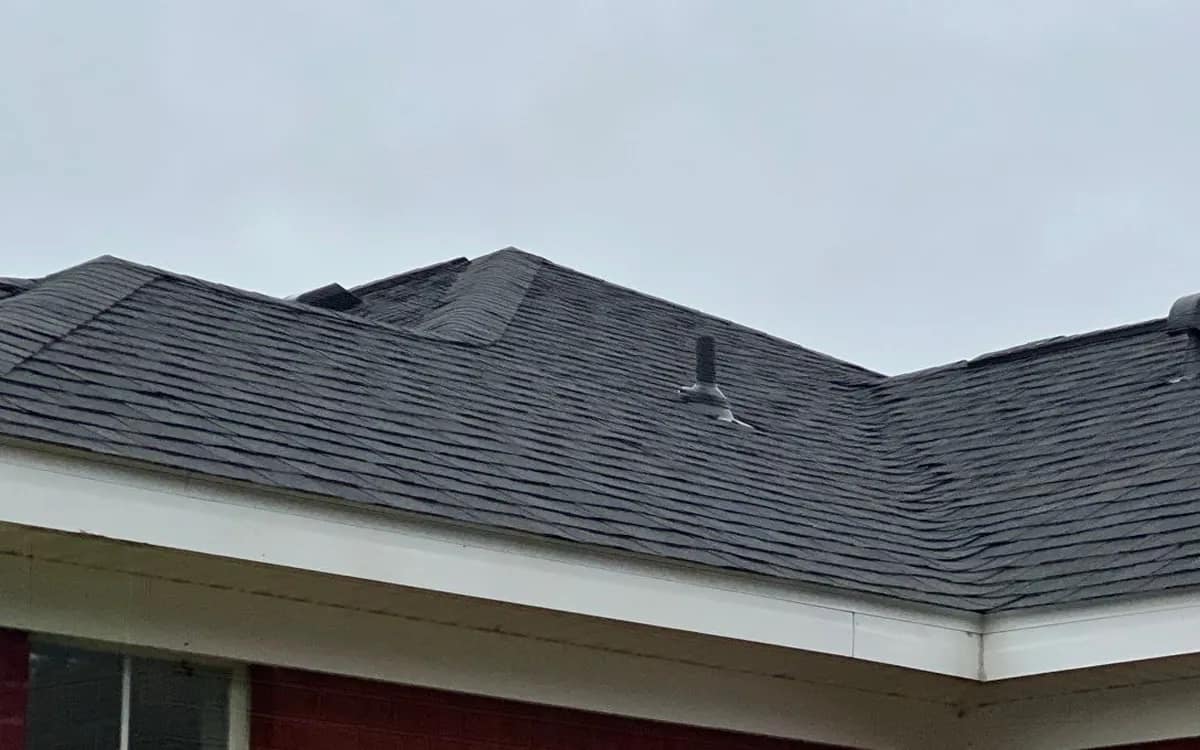
Why Gulf Coast Wind Takes Your Roof Edge First
Hurricane wind starts at the roof edge, not the middle. What drip edge, edge metal, and starter courses actually do in a coastal storm.
 Storm Preparedness
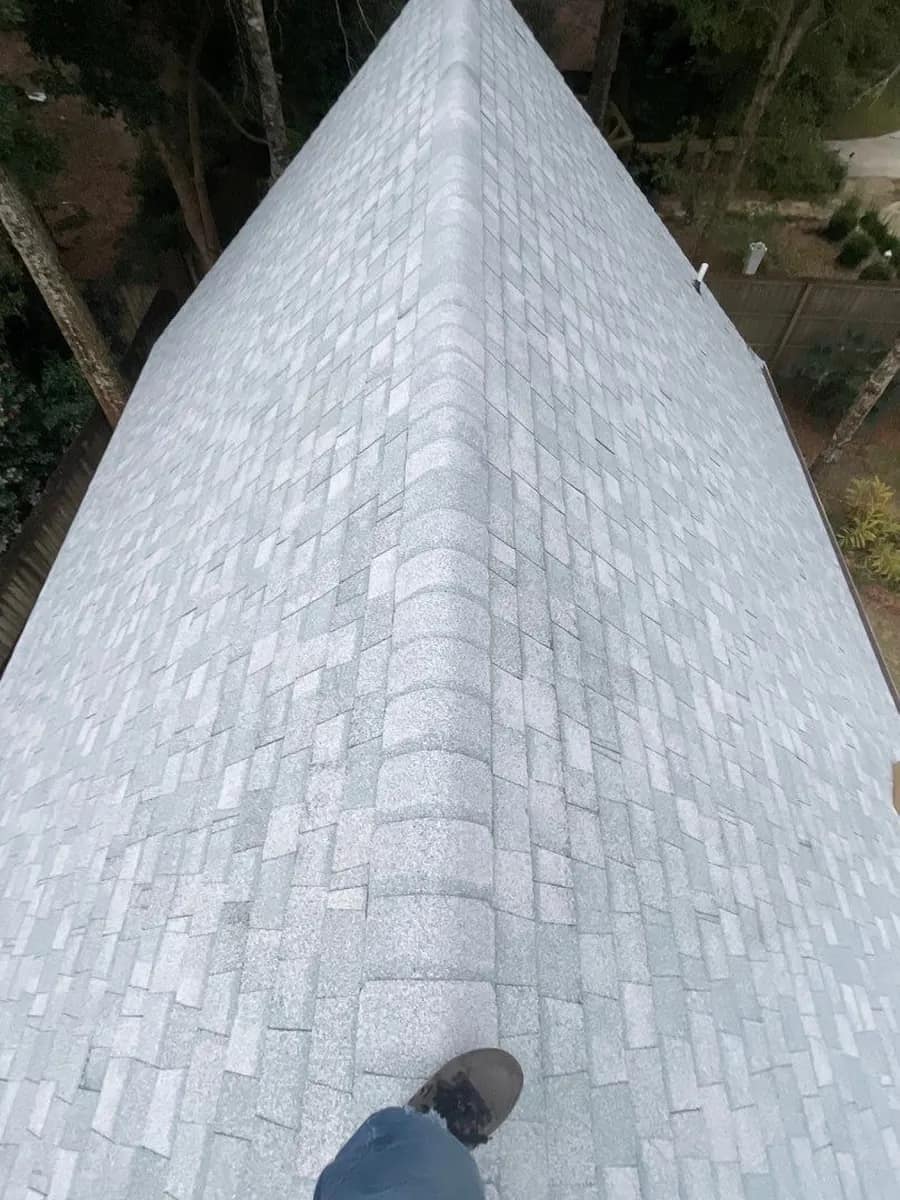
A Pre-Hurricane-Season Roof Check for the Coast
What to check on a coastal Alabama roof before a storm is named, what to photograph now, and why pre-season work beats post-storm work.
 Storm Preparedness
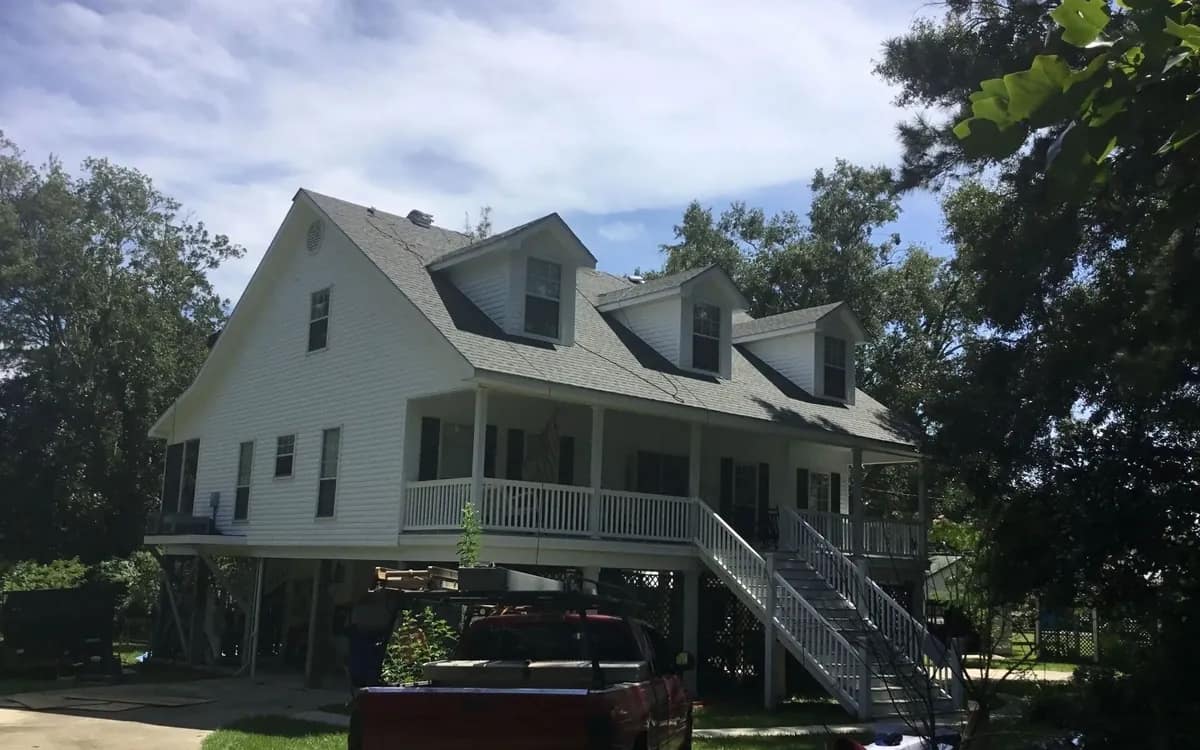
Should You Replace Your Roof Before Hurricane Season?
Waiting until after a storm to replace a worn roof usually costs more time and more stress, not less. The honest read on Gulf Coast timing.
Free inspection · no obligation
Want someone to actually look at your roof?
Free inspection anywhere in Baldwin or Mobile County. We climb it, photograph it, and tell you plainly what we found — then put it in writing.
Licensed Alabama roofing contractor #7430. Free estimates across Baldwin and Mobile County.
Loading the quote form…