
Salt-Air Corrosion and Coastal Roof Fasteners
Why a metal roof a few miles from the Gulf can fail years earlier than the same roof inland — and which fastener choice actually changes that.
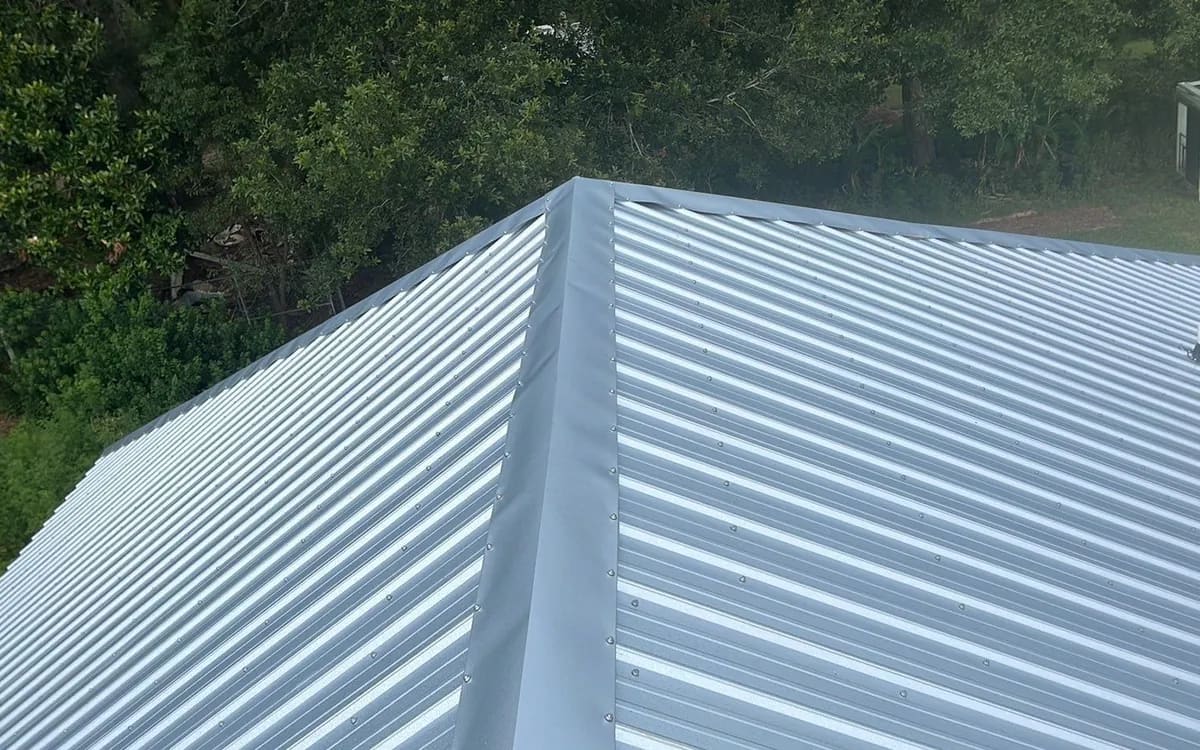
A metal roof set a few miles from the Gulf can show real corrosion years before the same roof would inland, and the reason usually isn't the metal itself — it's the fasteners. Salt-laden air attacks exposed screws and washers faster than it attacks the panel surface, and once a fastener seal fails, water finds its way into the hole underneath long before the roof looks like it has a problem.
What salt air actually does to a fastener
Airborne salt carries chloride particles that settle on any exposed metal and speed up the electrochemical process behind rust and pitting. On a roof, the most exposed metal isn't usually the panel — it's the screw heads and the rubber washers sealing them. Those washers harden and crack under years of sun and salt exposure, and once a seal cracks, that single fastener becomes a path for water straight through the roof deck.
This is a slow failure, not a dramatic one. A roof can look intact from the ground for years while individual fasteners are quietly losing their seal, which is part of why coastal metal roofs sometimes develop leaks that seem to appear out of nowhere.
This is most aggressive in the beach communities — Gulf Shores especially — where spray off the open Gulf Coast and Mobile Bay works fasteners far harder than anything inland in Mobile County sees.
Exposed-fastener versus concealed-fastener systems
Not all metal roofing handles this the same way. An exposed-fastener panel has screws driven directly through the face of the metal, each one relying on its washer to stay sealed for the life of the roof — every one of those screws is a potential failure point sitting directly in the weather. A concealed-fastener, standing-seam system hides the fasteners under an interlocking seam, out of direct sun and salt exposure entirely. It costs more up front, but it removes the single most common coastal failure mode from the equation.
Does distance from the water actually matter?
Yes, and it's one of the more predictable variables in coastal roofing. The heaviest salt exposure is concentrated in the first few miles of open coastline, where spray travels directly on prevailing wind. A roof facing the Gulf with nothing between it and the water — no dunes, no tree line, no neighboring structures — takes the fullest exposure. Set back even a modest distance, or with something breaking the direct wind path, and the corrosion rate measurably slows. It's not a hard boundary, but it's a real gradient, and it's one reason two roofs the same age in Orange Beach and Fairhope can show very different fastener wear.
Fastener material matters as much as fastener placement
It isn't only about exposed versus concealed. The metal the fastener itself is made from changes how fast it corrodes, and mismatched metals in direct contact with each other can accelerate corrosion through a reaction between the two — a problem worth asking about specifically when a coastal metal roof is being specified or repaired. A roofer working regularly on Gulf-facing homes should be able to speak plainly about which fastener types they use and why, rather than treating it as a detail that doesn't matter.
Roof pitch and drainage play a role too. A panel that sheds water and salt spray quickly gives corrosion less time to sit against the metal than a low-pitch section where moisture lingers. None of this is exotic engineering — it's the kind of detail that separates a coastal metal roof built to actually handle the coast from one that simply happens to be made of metal.
What to actually look for
From the ground: streaking or rust-colored staining running down from screw lines, panels that look slightly lifted at the fastener points, or washers that have visibly cracked or gone brittle where you can see them from a ladder at a safe distance. None of that is a DIY repair call — it's a reason for a closer, written inspection that checks fastener condition panel by panel rather than judging the roof by its overall appearance.
Maintenance that actually extends fastener life
A metal roof isn't maintenance-free just because it doesn't need shingles replaced. A periodic visual check — from the ground with binoculars, or from a ladder at the eave line rather than walking the field of the roof — can catch early staining or washer wear before it becomes a leak. Keeping gutters and valleys clear of salt-laden debris matters too, since standing debris holds moisture against the metal longer than a roof that drains cleanly. None of this replaces a real inspection, but it's the kind of homeowner habit that catches a problem while it's still a five-minute conversation instead of a repair.
The honest bottom line
Salt air doesn't fail a metal roof by attacking the metal — it fails it fastener by fastener, quietly, over years. The fix isn't complicated in principle: know how exposed your specific roof is, know which fastener system it's using, and get the fasteners actually looked at before staining or a leak forces the question.
Wondering how your metal roof is holding up against the salt? Schedule an inspection that checks the fasteners specifically, not just the panels. For the broader storm exposure that shapes coastal roofing decisions on this stretch of the Gulf, see the full local storm and hurricane data.
Related resources
Common questions
Questions we get about this
Why does a metal roof near the Gulf corrode faster than one inland?
Salt-laden air carries chloride particles that settle on exposed metal and accelerate the electrochemical reaction behind rust and pitting. The closer a roof sits to open water, and the more directly it faces prevailing coastal winds, the more of that salt load it absorbs day after day — an inland roof simply doesn't see the same exposure.
Are exposed-fastener metal roofs a bad choice on the coast?
Not automatically, but they carry more long-term risk than a concealed-fastener system. Every exposed screw is a rubber washer that eventually hardens and cracks under sun and salt, and once one fails, water finds the fastener hole underneath. A concealed-fastener standing-seam system removes most of those failure points from the weather entirely.
How much closer to the water does it actually matter?
There's no hard line, but the effect is strongest in the first few miles of open coastline, where salt spray is heaviest and most direct. A roof set back from the water, or shielded by dunes, trees, or other structures, generally sees a slower corrosion rate than one facing the Gulf with nothing between it and the wind.
Can corroding fasteners be fixed without replacing the whole roof?
Sometimes, on a case-by-case basis — a roof with isolated fastener failures and otherwise sound panels can often be re-fastened or spot-repaired. A roof with widespread washer failure or pitting across many panels is usually past the point where individual repairs make sense, and that's a call a written inspection should make, not a guess from the ground.
Sources
Every non-obvious claim above traces to one of these.
Keep reading
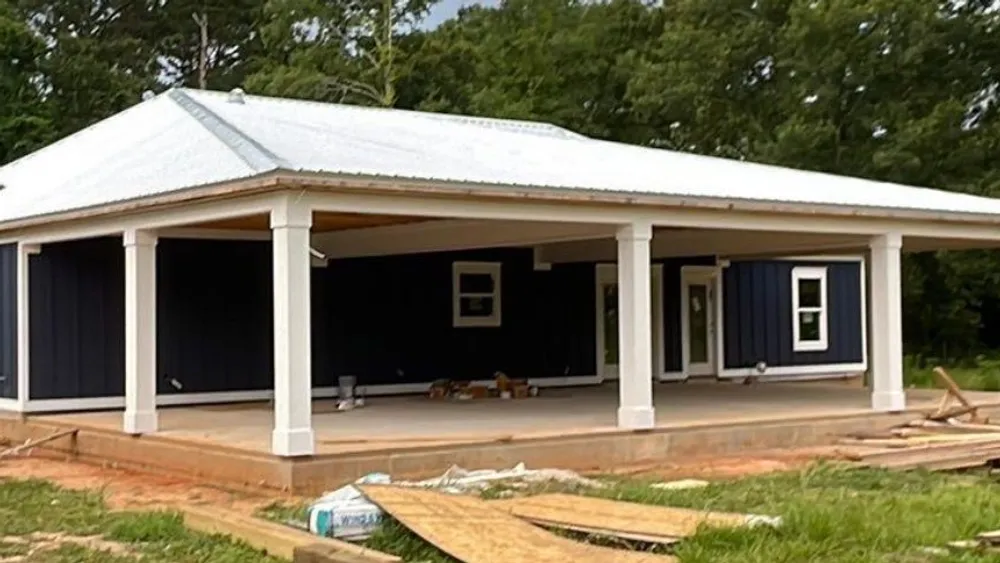 Roofing Materials
Metal vs. Shingle Roofing on the Alabama Gulf Coast
Metal or shingle roofing for a Baldwin or Mobile County home? Compare wind resistance, salt-air durability, upkeep, and looks — the real trade-offs.
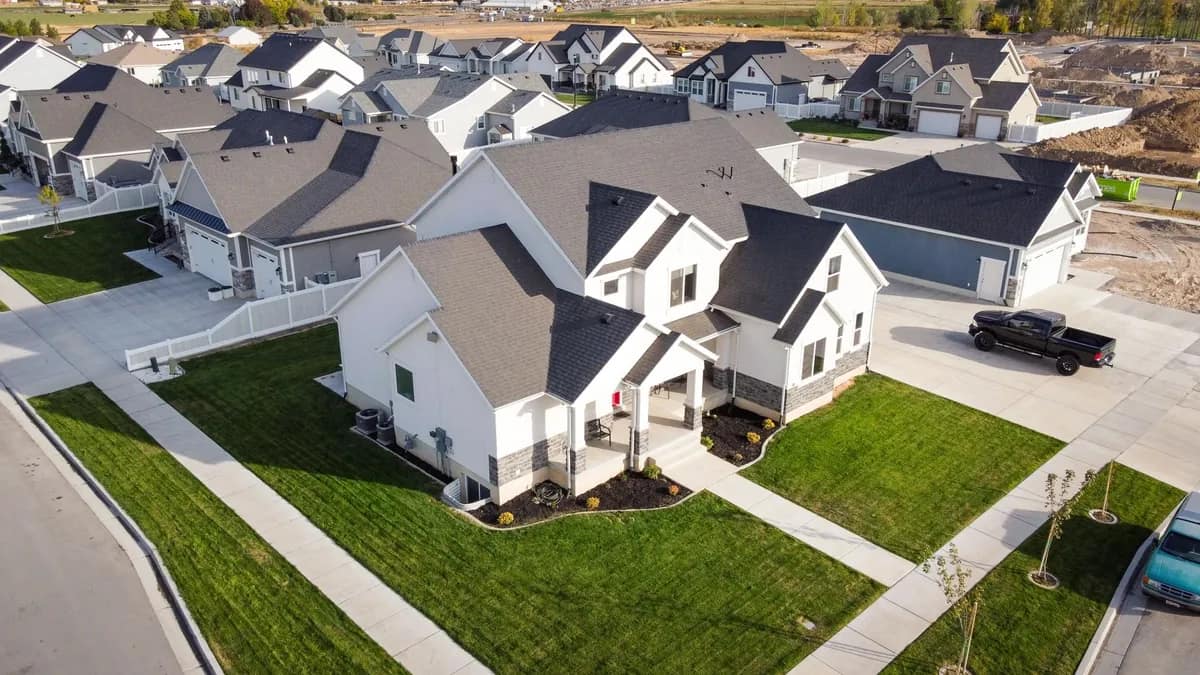 Local
LocalWhy So Many Baldwin County Roofs Are Aging Together
A building boom and a run of hurricanes put a lot of Baldwin County roofs on the same clock. Here's the honest, data-backed read on why.
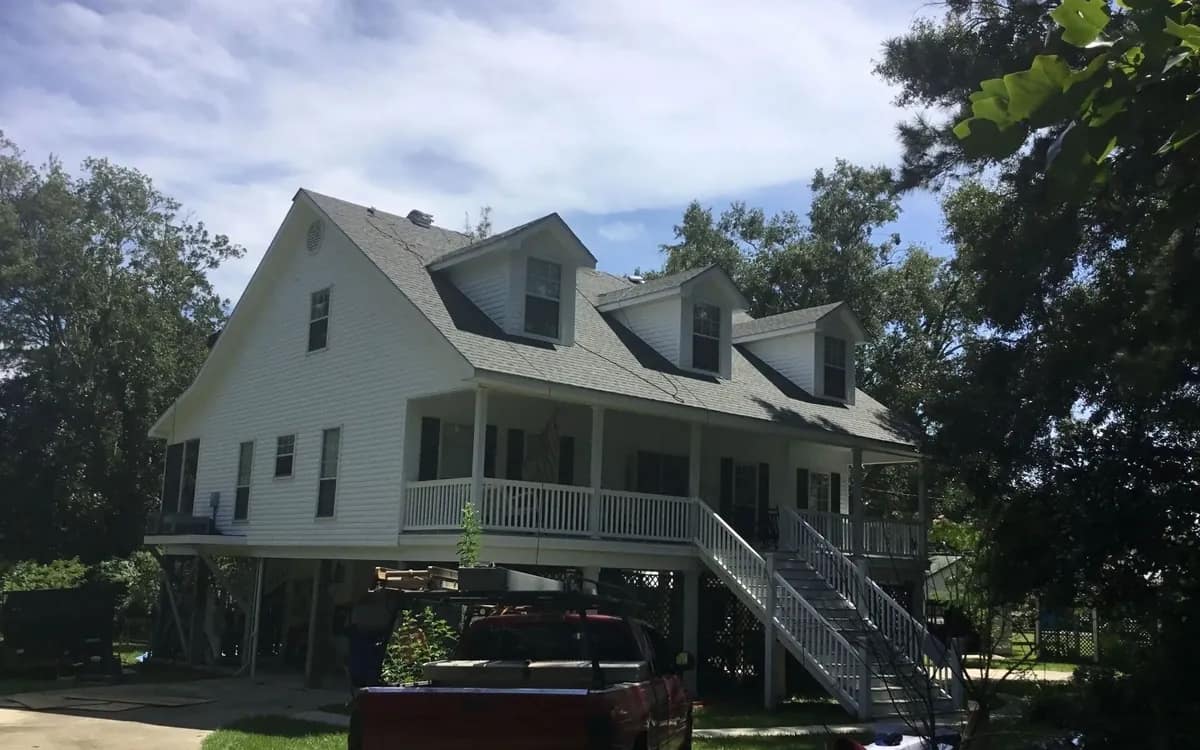 Storm Preparedness
Should You Replace Your Roof Before Hurricane Season?
Waiting until after a storm to replace a worn roof usually costs more time and more stress, not less. The honest read on Gulf Coast timing.
Free inspection · no obligation
Want someone to actually look at your roof?
Free inspection anywhere in Baldwin or Mobile County. We climb it, photograph it, and tell you plainly what we found — then put it in writing.
Licensed Alabama roofing contractor #7430. Free estimates across Baldwin and Mobile County.
Loading the quote form…