
Does a FORTIFIED Designation Transfer to a Buyer?
A FORTIFIED designation belongs to the address, not the owner. What transfers at closing, what a buyer should verify, and what can lapse.
A FORTIFIED designation is issued to a property address, not to a person, so it stays with the house when the house sells. What does not transfer automatically is the insurance credit on any particular policy — the buyer's carrier has to be handed the certificate the same way the original owner did. On the Gulf Coast that distinction is worth real money at closing, and it is the part sellers and buyers both tend to fumble.
What actually moves with the house
Three things exist after a designated re-roof, and they behave differently.
The designation certificate is tied to the address. It moves with the property, and the buyer inherits both the designation and its expiration date.
The insurance credit is tied to a policy. Alabama requires insurers to discount the hurricane portion of a premium by 35–60% and the other-wind portion by 20–35% for a designated home (Ala. Code § 27-31D-2.1; Alabama Department of Insurance), but a new owner writes a new policy with a new carrier and that carrier needs the documentation. Nobody forwards it for you. The steps are the same ones in what your agent needs after a FORTIFIED roof.
Anything the roofer offers on the workmanship side is a contract question between the parties who signed it, and it varies. Ask the specific contractor rather than assuming — it is a different subject from the designation entirely.
It comes up constantly in Spanish Fort listings, where newer construction and FORTIFIED roofs overlap the most.
What a seller should put in the folder
If you paid to build to the standard, make sure the next owner knows it exists. A certificate nobody hands over is a credit nobody claims, and it quietly stops being part of what your house was worth.
- The designation certificate, with the number and effective date.
- The expiration date of the current cycle, written out plainly.
- The name of the independent evaluator who submitted the documentation.
- The date the roof was installed and the covering that was used.
- The roof documentation package, if you kept a copy.
- The roofer's name, so a buyer can look up the credential themselves.
Mention it in the listing too. In Baldwin County markets like Spanish Fort and Fairhope, and across Mobile Bay in Mobile County, where wind premiums are a live part of every buyer's monthly math, a designated roof is one of the few upgrades with a state-mandated financial consequence attached — and one of the few a buyer's agent can verify independently.
How should a buyer check a "FORTIFIED" claim?
Treat the word as a claim until you see the certificate. Three steps, none of which take long.
Get the certificate and read the address. The designation exists at an address. If the certificate is missing, the honest interpretation is that the roof may have been built well but was never designated — which is a normal outcome when documentation was not captured while the deck was open. Work that was not documented at the time cannot be designated afterward.
Check the expiration. Designations run on a renewal cycle — five years for a roof designation — after which the home has to be re-evaluated to stay current. A certificate that lapses next spring is a different asset from one with four years left on it.
Look up the roofer. The official FORTIFIED Verify a Pro directory is public, and checking a roofer's credential takes about thirty seconds. For reference, our own record reads: Liberty Roofing Company Inc, company 011483, status Compliant; Dane DeValk, credentialed provider, ID R011603, Designation: Roofer, Status: Active (read live 2026-08-17). Evaluators are a separate profession — independent third parties who document and submit the designation — so a contractor who says they certified their own work has told you something useful about them.
Then have the roof itself looked at. A designation says how the roof was built; it does not say what has happened to it since. A roof inspection during the option period is the ordinary due diligence, and it matters as much on a designated roof in Mobile County as on any other.
If the designation has lapsed, or never existed
Neither is a crisis, but both change the math.
A lapsed designation means a re-evaluation is needed to become current. That is a conversation with an independent evaluator, and either party can start it. The construction did not change; the paperwork cycle did.
Never designated means the house is a normal house with a normal roof. If the roof still has life in it, nothing needs to happen — you simply do not have the credit. If it is near the end, the re-roof is the moment to reach the standard, and that is exactly when the decision belongs. The three designation levels covers how far an existing home can realistically go, and the sealed roof deck is the requirement that does the most work in a storm.
The funding question, answered honestly
Homeowners planning a designated roof around a sale often ask about the Strengthen Alabama Homes grant. Two things to know. First, homes listed for sale are outside the program's eligibility conditions, so a sale in progress and a grant application do not mix — the grant page covers the requirements, and what to do if you missed a window covers the timing. Second, Liberty is not a Strengthen Alabama Homes program contractor: we are not on the state's approved-contractor list and we do not perform grant-funded work. We hold the FORTIFIED credential and build to the standard outside the program, which is a separate gate — the standard-versus-program comparison draws the line clearly.
There is also a state mitigation tax credit that is sometimes confused with all of this. It is a tax question, covered on the roof tax credit page, and it belongs to a tax professional rather than a roofer.
The short version
The designation follows the address. The credit follows the paperwork. Sellers who hand over the certificate get credit for what they built; buyers who ask for it get a discount that is written into Alabama law rather than into a brochure. If you are on either side of a coastal transaction and the roof is a question mark, start with the FORTIFIED overview and get someone on the roof before the option period closes. If the roof turns out to be due, roof replacement is the honest next step.
Common questions
Questions we get about this
Does a FORTIFIED designation transfer when the house is sold?
Yes. The designation is issued to the property address, not to the homeowner, so it stays with the house when it changes hands. The buyer's own insurer still has to be given the certificate before the mandated Alabama wind credit is applied to the buyer's new policy — the designation transfers, but the credit on a specific policy does not apply itself.
What should I hand a buyer at closing?
The designation certificate with its number and effective date, the expiration date of the current designation cycle, the name of the evaluator who submitted it, the date the roof was installed, and the roof documentation package if you kept it. Put copies in the same folder as the appliance manuals and the survey. It is a document with money attached, and buyers who do not receive it usually never learn it existed.
How do I verify a designation on a house I am buying?
Ask the seller for the certificate and confirm the address and expiration date on it. Separately, look up the roofer in the official FORTIFIED Verify a Pro directory to confirm they actually held a credential when the roof was built. A seller's claim that a roof is FORTIFIED means very little without the certificate, because the designation only exists if an independent evaluator submitted the documentation.
What if the designation has expired?
An expired designation means the house has to be re-evaluated to become current again. That is an evaluator conversation, not a roofer conversation, and it can be started by either the seller before listing or the buyer afterward. An expired designation does not mean the roof was built badly — it means the paperwork cycle lapsed — but the insurance credit keyed to it can come off at a renewal.
Sources
Every non-obvious claim above traces to one of these.
- IBHS — the FORTIFIED Roof standardfortifiedhome.org
- FORTIFIED Verify a Pro directoryfortified.profilegorilla.com
- Alabama Department of Insurance — mandated FORTIFIED premium creditsaldoi.gov
Keep reading
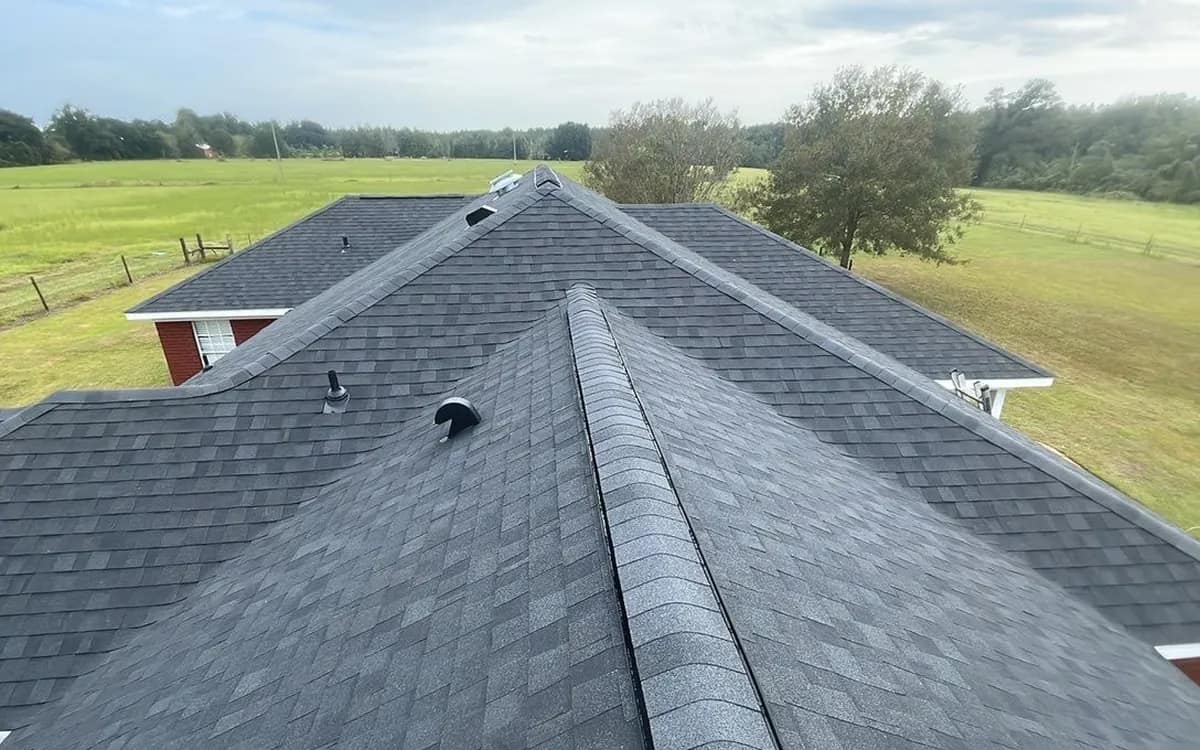 FORTIFIED
FORTIFIED Roof, Silver, or Gold: Which Level Fits
FORTIFIED has three levels. What Roof, Silver, and Gold each cover, and which one an existing coastal Alabama home can realistically reach.
 FORTIFIED
What Your Agent Needs After a FORTIFIED Roof
The certificate does not apply itself. What to send your insurance agent after a FORTIFIED roof, and how to confirm the Alabama credit landed.
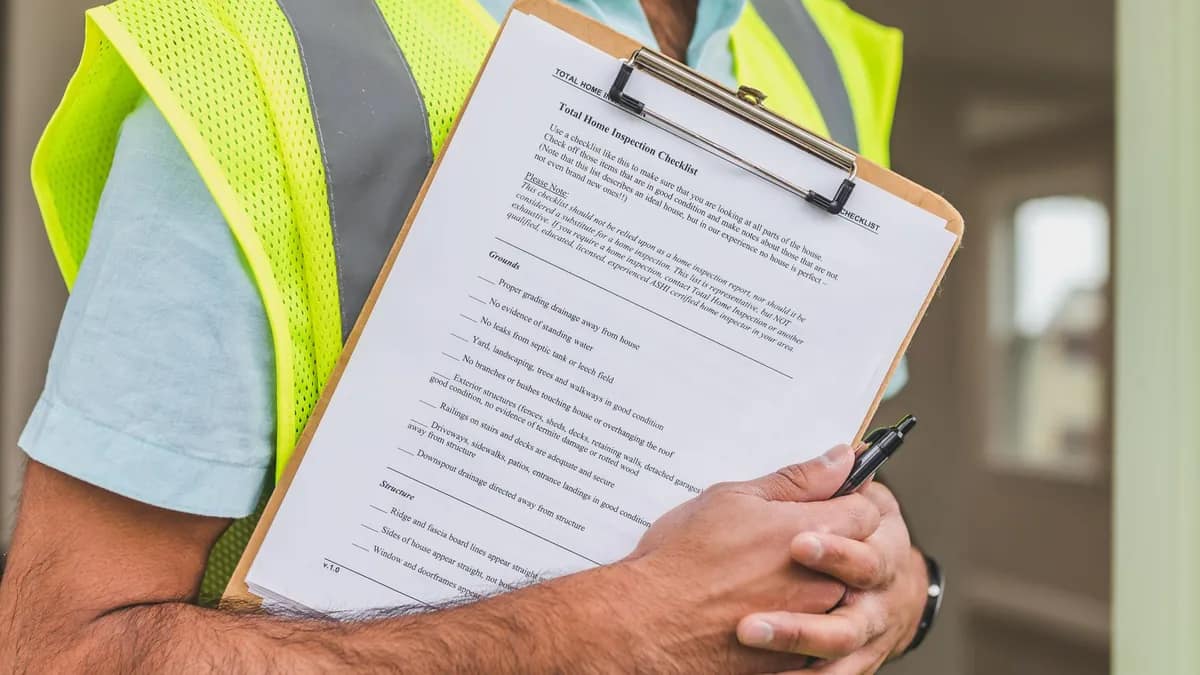 FORTIFIED
Building Code vs FORTIFIED in Baldwin and Mobile County
Local code already borrows from wind-resistant construction. Here's where it overlaps with FORTIFIED, where it stops, and why code alone earns no discount.
Free inspection · no obligation
Want someone to actually look at your roof?
Free inspection anywhere in Baldwin or Mobile County. We climb it, photograph it, and tell you plainly what we found — then put it in writing.
Licensed Alabama roofing contractor #7430. Free estimates across Baldwin and Mobile County.
Loading the quote form…